

Condo and High-Rise Vents
Unit branch ducts in shared-riser towers, cleaned with the building's own rules in mind.
More on Condo and High-Rise Vents →Damp clothes, long cycles, a hot dryer top. Each one has a likely cause, and most trace back to air that cannot get out of the building fast enough.
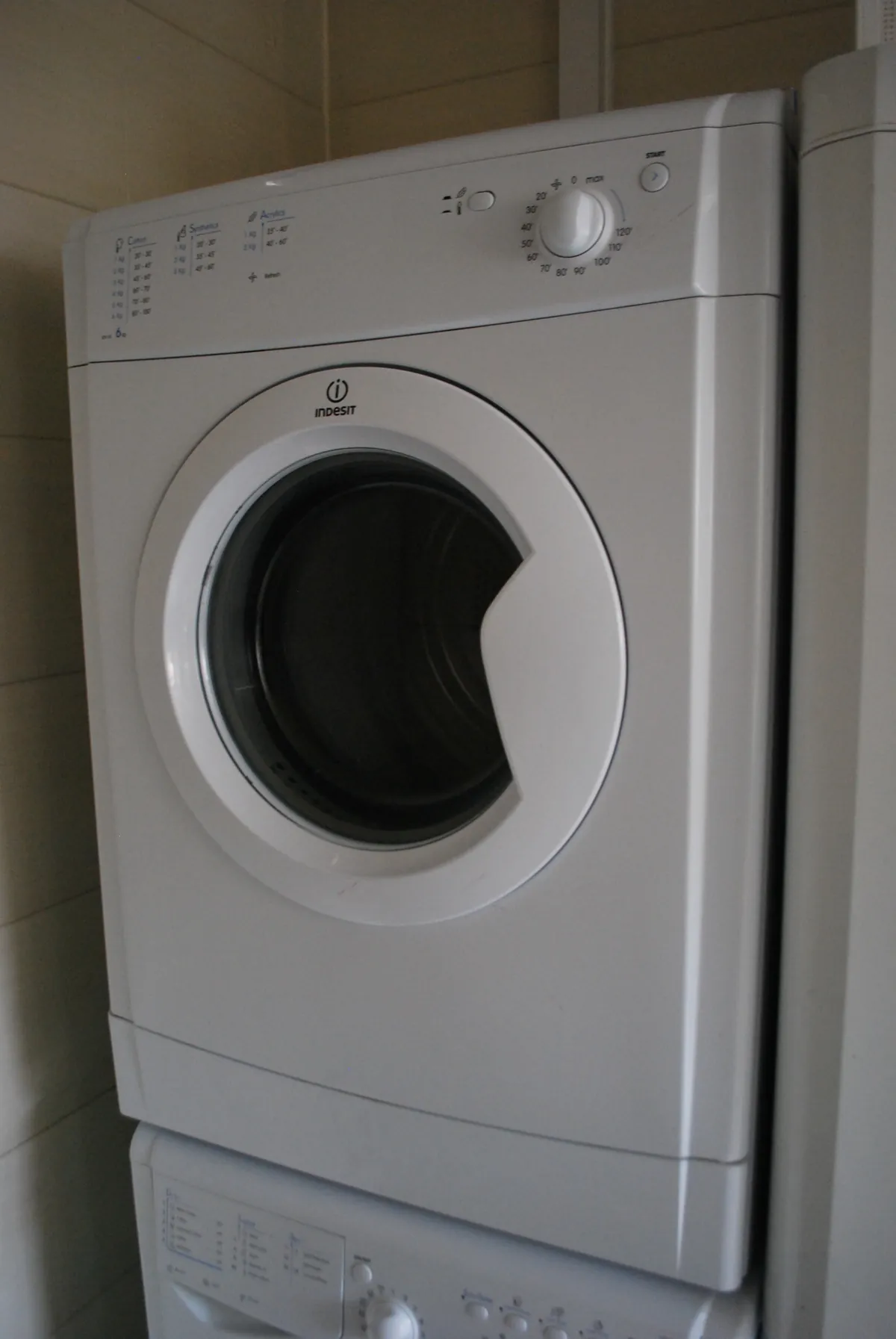
CPSC lists two: clothes still damp after a normal cycle, and drying that takes longer than usual. Whirlpool adds a hot dryer top. The rest come from what we find at the cap and behind the machine.
A full cycle ends and the load is wet. Moist air is not leaving fast enough.
Two cycles where one used to do. The duct is narrowing with lint.
Heat is building in the cabinet instead of going outside, a sign Whirlpool names.
Run the dryer and feel the hood outside. Little or no flow means a restriction.
Lint or a nest is holding the exterior damper shut while the dryer runs.
Lint collects in the exterior hood and can stop the flaps from opening, per Whirlpool.
Quite a lot. Clean the lint screen and run an empty load on air only. Go outside and look at the cap. Pull the dryer out a little and look at the connector behind it. If the screen is clean, the cap flap opens and the hose is not crushed, but drying is still slow, the problem is somewhere in the run you cannot see.
| What matters | Lint screen | Vent duct |
|---|---|---|
| Where it is | Inside the dryer door or top | From the wall connection to the cap outside |
| What it catches | Most of the lint | What gets past the screen settles here |
| How often to clean | Every load, per NFPA and CPSC | Once a year, or sooner, per NFPA |
| Who cleans it | You | Brush, rods and a high-suction vacuum |
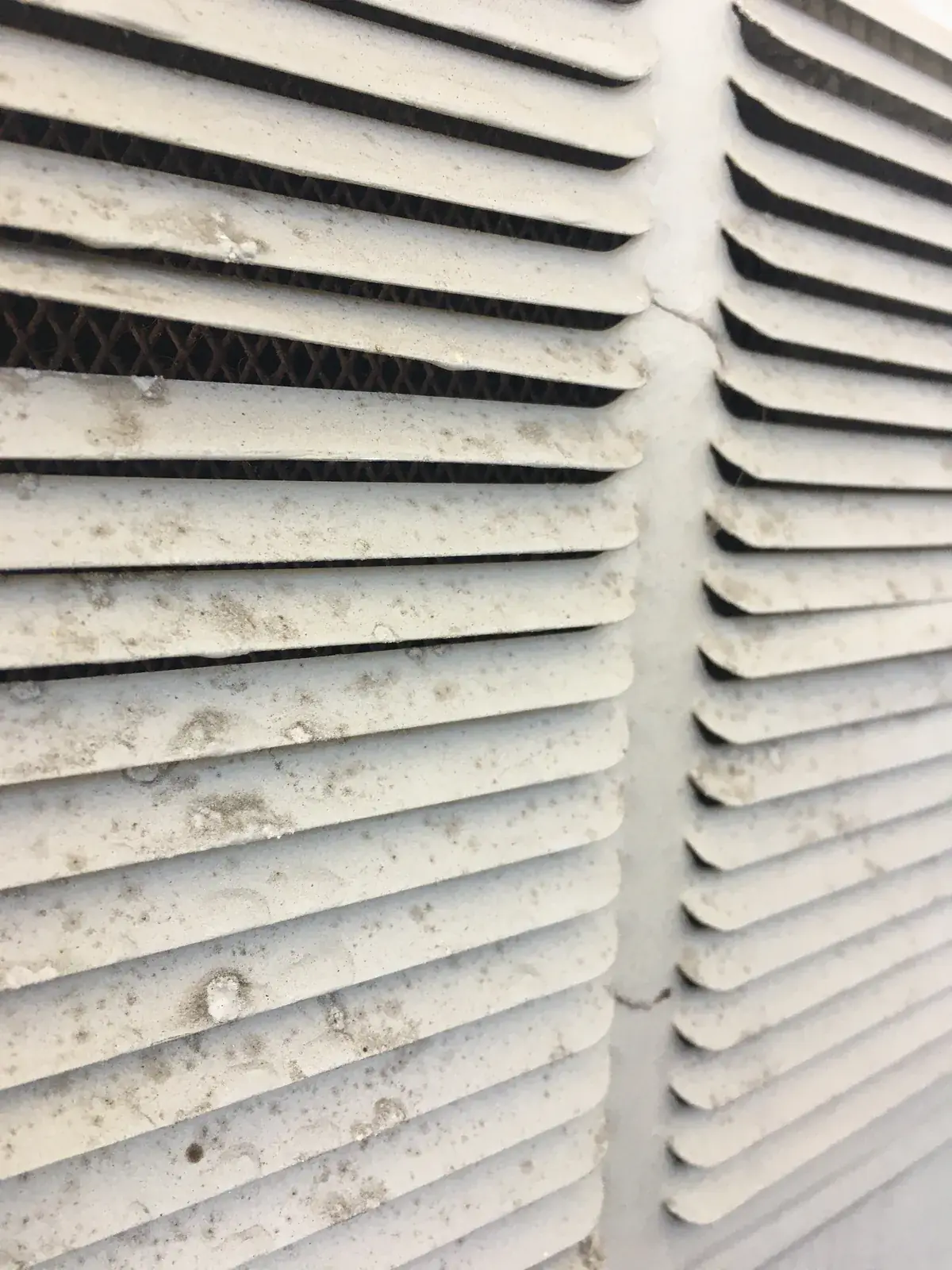
| What a blockage does | Slower drying | Blocked airflow, excess heat, fire risk (CPSC) |
Avoid running back-to-back cycles to finish a load. Each one adds heat and lint to a duct that is already struggling.
Screen, cap and the connector behind the machine. Fix a crushed hose by pulling the dryer forward first.
If the easy parts look fine, the restriction is in the run. A camera and an airflow reading will find it.
Clean the duct end to end, then run the dryer and confirm the air leaving the cap is strong.
They show up sooner because the conditions never let up. Lowland relative humidity runs about 70 to 80 percent on the windward side, at places like Kaneohe, and 60 to 70 percent leeward, and at the Honolulu airport the normal is 72 percent at 8 in the morning. Honolulu's warmest and coolest months differ by only about 6 degrees, so dryers work the same warm, damp shift year round with no heating season to dry out a laundry room. Add the cost of power, 48.00 cents per kWh on average in July 2026, and a dryer that needs two cycles is easy to notice on the bill before anyone notices the lint.

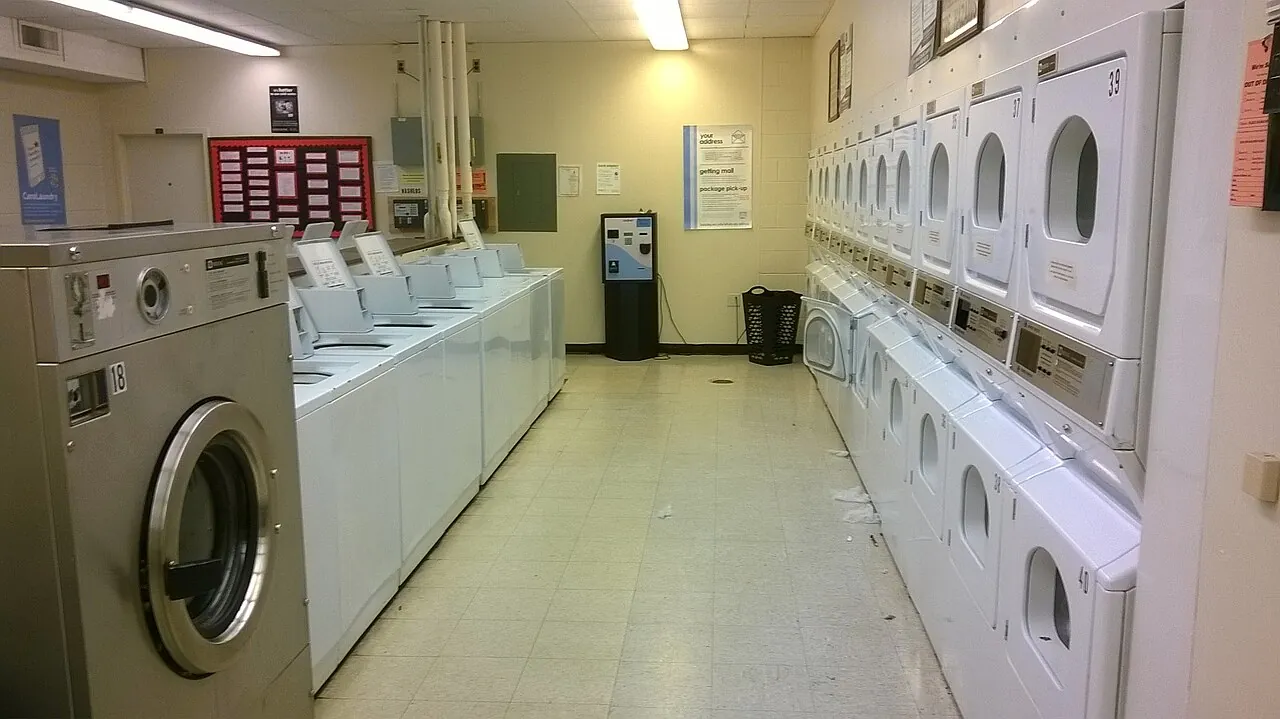
Once the cause is clear, one of these usually covers it.
Unit branch ducts in shared-riser towers, cleaned with the building's own rules in mind.
More on Condo and High-Rise Vents →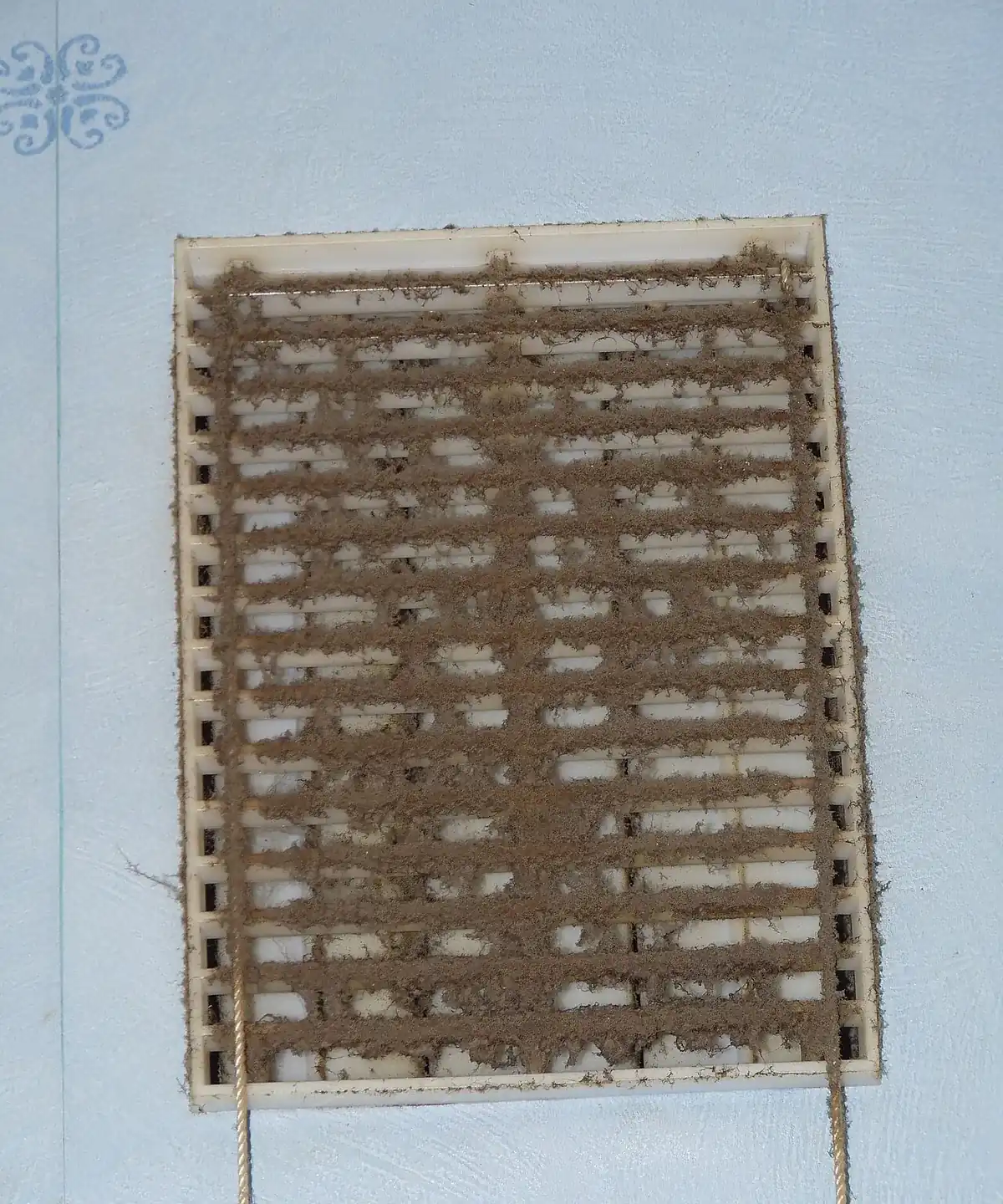
A camera look and an airflow reading that show what the duct is really like inside.
More on Dryer Vent Inspection →
Nests and packed lint pulled from the outside cap so the damper can swing again.
More on Bird Nest Removal →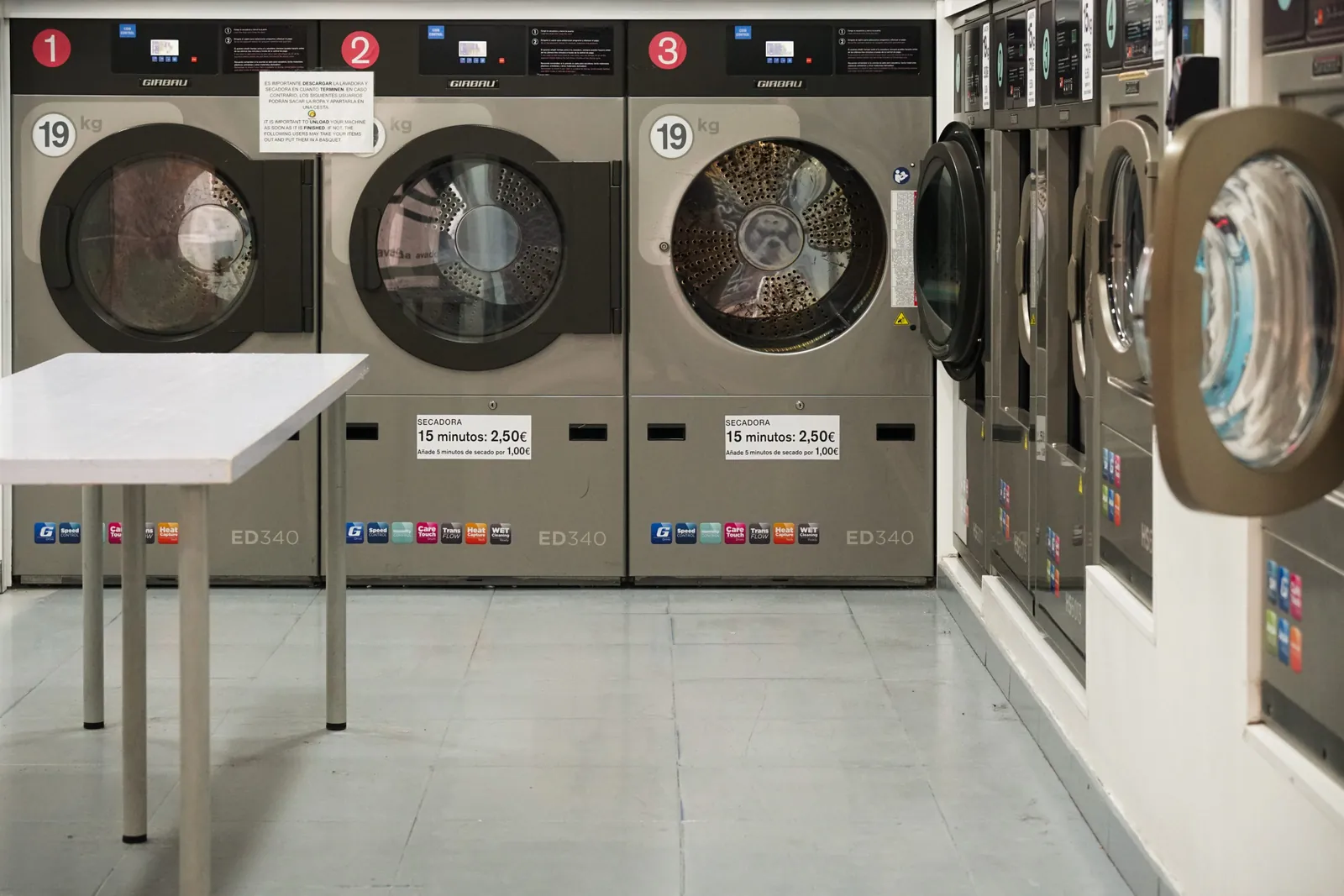
Multi-dryer exhaust for coin laundries, hotels and building laundry rooms.
More on Commercial Dryer Vents →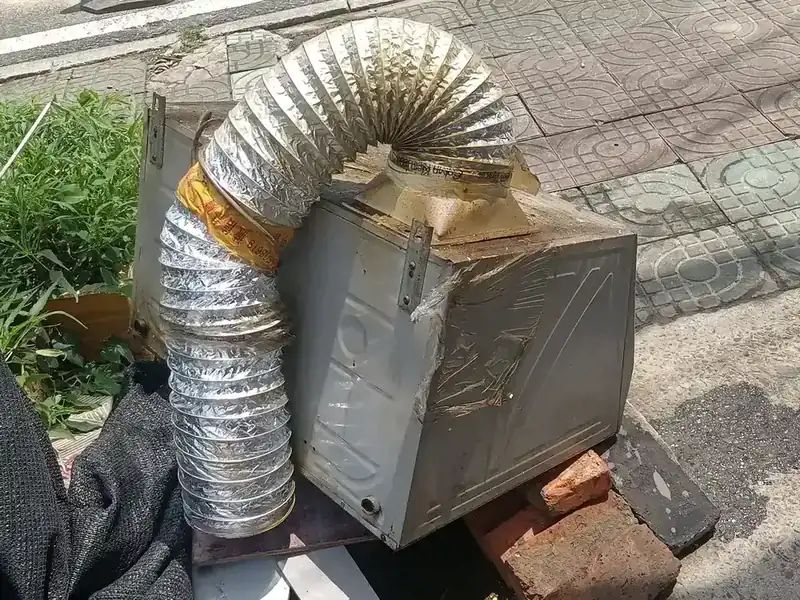
Crushed connectors, foil duct and stray screws: what cleaning fixes and what it cannot.
More on Dryer Vent Repair →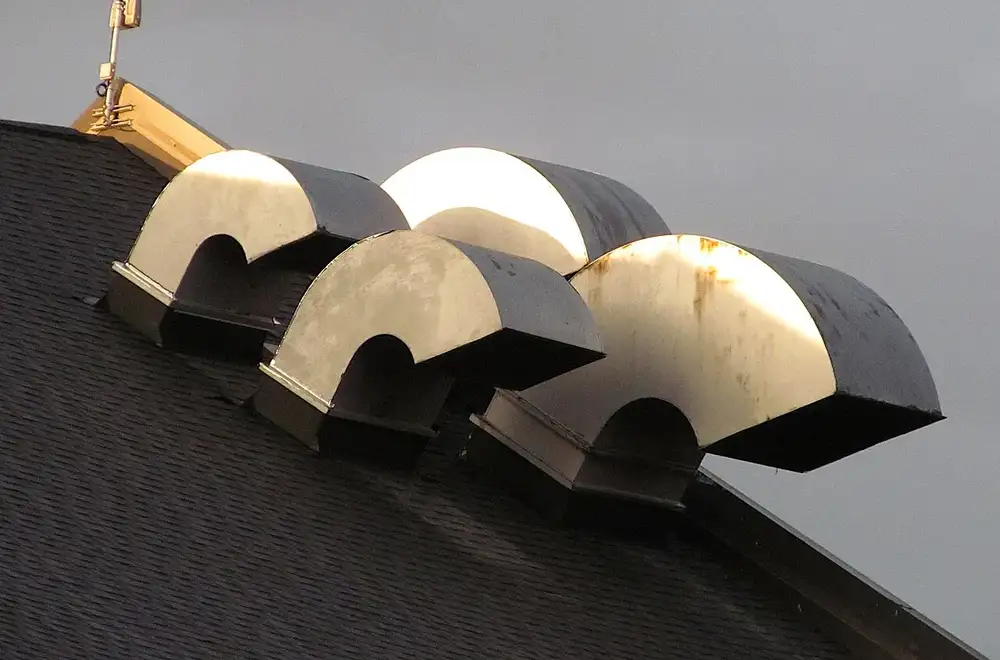
Code length limits and routing rules to know before any duct is moved or replaced.
More on Dryer Vent Installation →