

Condo and High-Rise Vents
Unit branch ducts in shared-riser towers, cleaned with the building's own rules in mind.
More on Condo and High-Rise Vents →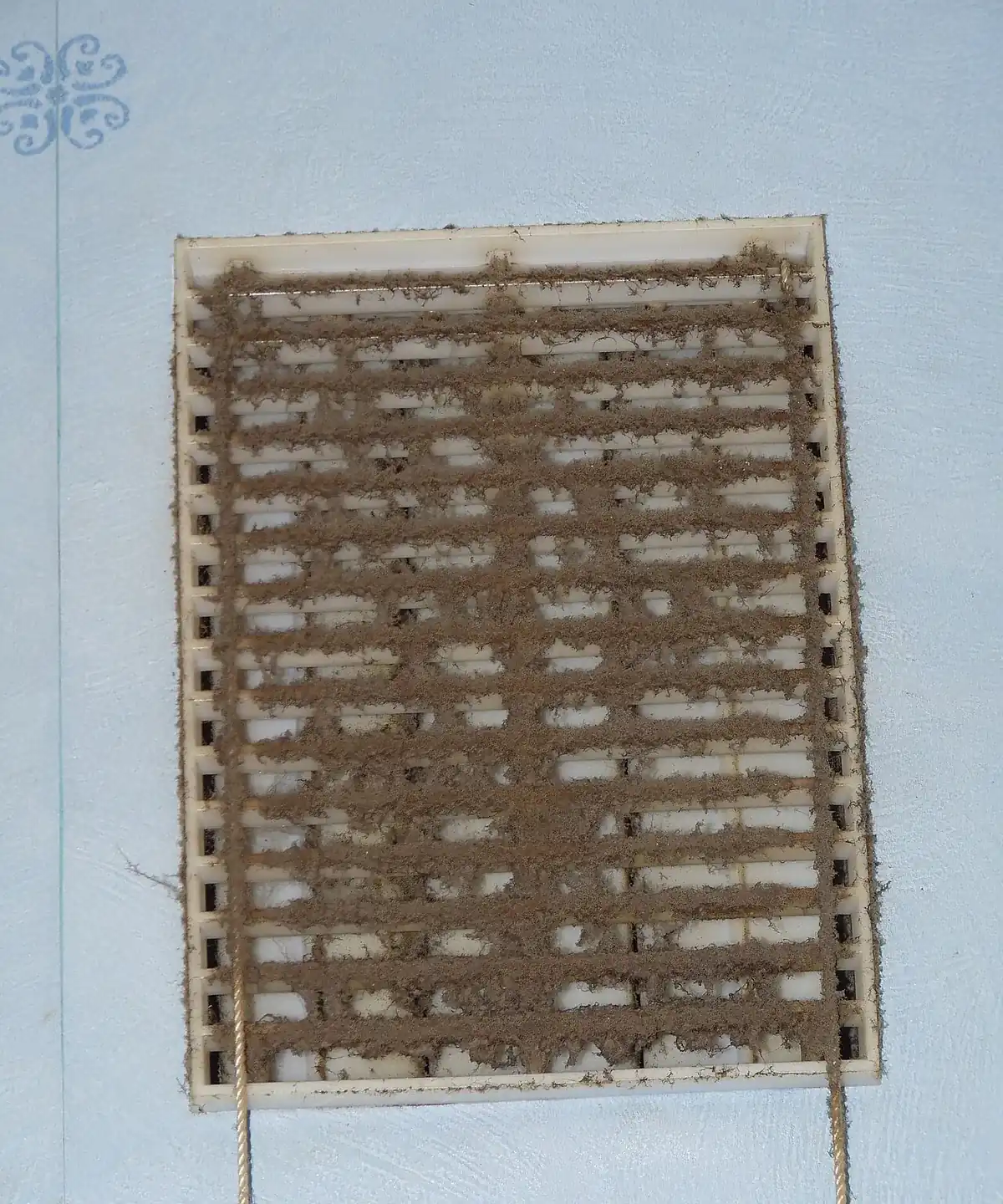
A look inside the duct before anyone guesses. We check the connector, the run and the cap, take airflow readings, and tell you whether the vent needs cleaning, a material change, or nothing at all.
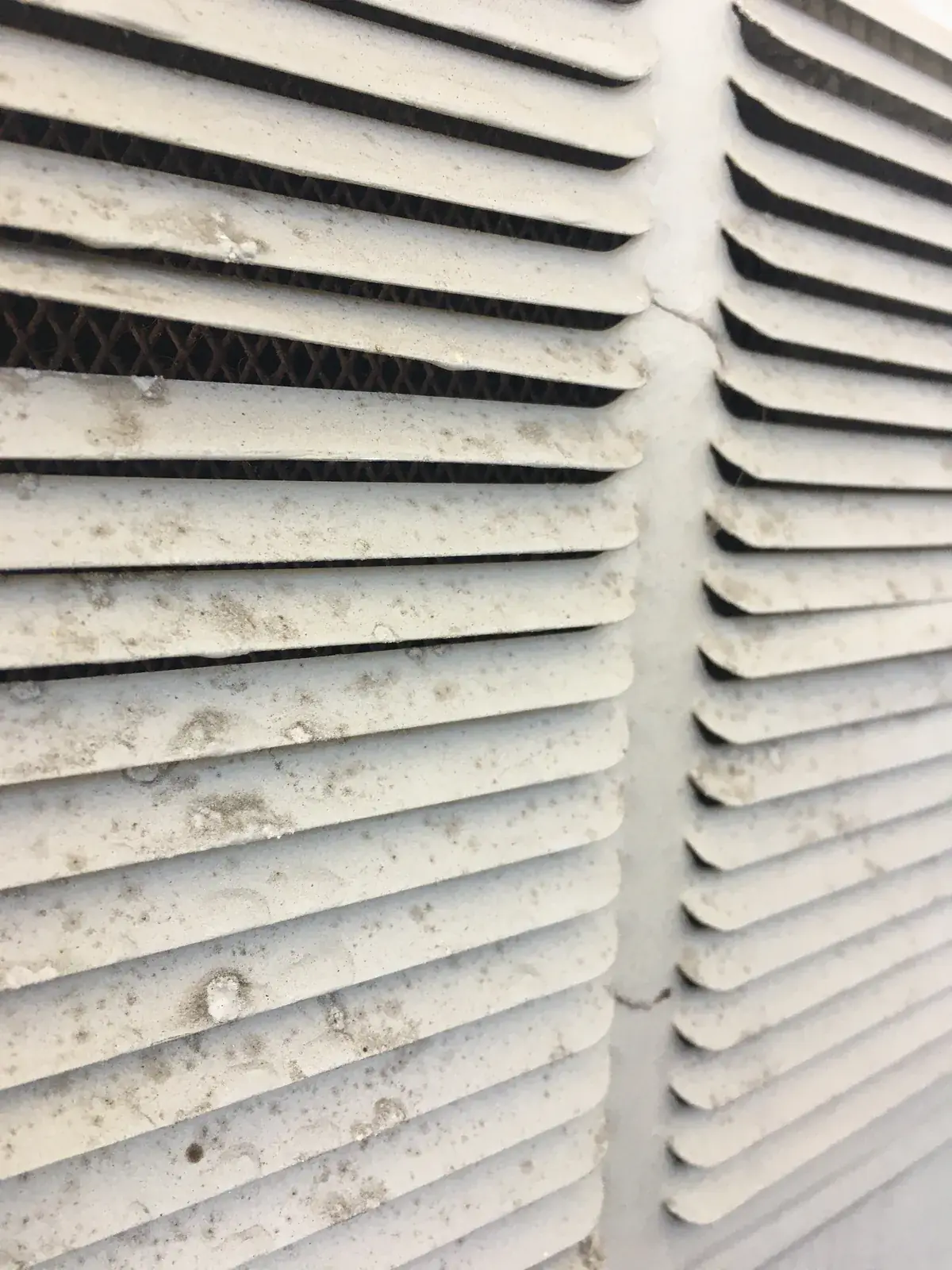
The things a brush kit never shows. Duct material, because foil and plastic do not belong in the run. Length and elbows, because the code caps the run unless the dryer maker allows more. Screws that poke into the airstream and catch lint. A screened or undersized cap. And whether the damper at the cap really opens when the dryer runs.
Pull the dryer out, check the transition duct for crushing, foil or plastic, and confirm it is no longer than 8 feet.
Count elbows and estimate equivalent length, then compare it to code and the maker's chart for your model.
Run an inspection camera through the duct to see lint, joints, screws and anything nesting at the cap.
Take readings at the cap, or back pressure at the connection where the setup allows, before any cleaning starts.
Usually a mix of age and layout. Two in three homes on the island were built between 1940 and 1989, so most of their vents predate the 2018 code Hawaii uses today. In the newer Ewa, Kapolei and Mililani Mauka tracts the stock is different: much of it dates from 2000 or later, and its first vent check may still be ahead of it. Whirlpool's guide sets the acceptable back pressure at the dryer connection between -1.0 and +0.6 inches of water column, read on an air-only cycle with an inclined manometer. A reading outside that window is the clearest sign the run needs work.
If the duct is fine, we say so and leave it. If it needs cleaning, we tell you why. If it needs a different material or a new route, we write down exactly what we saw so the next person does not have to start over.
An inspection often leads straight into one of these, or into nothing at all.
Unit branch ducts in shared-riser towers, cleaned with the building's own rules in mind.
More on Condo and High-Rise Vents →A camera look and an airflow reading that show what the duct is really like inside.
More on Dryer Vent Inspection →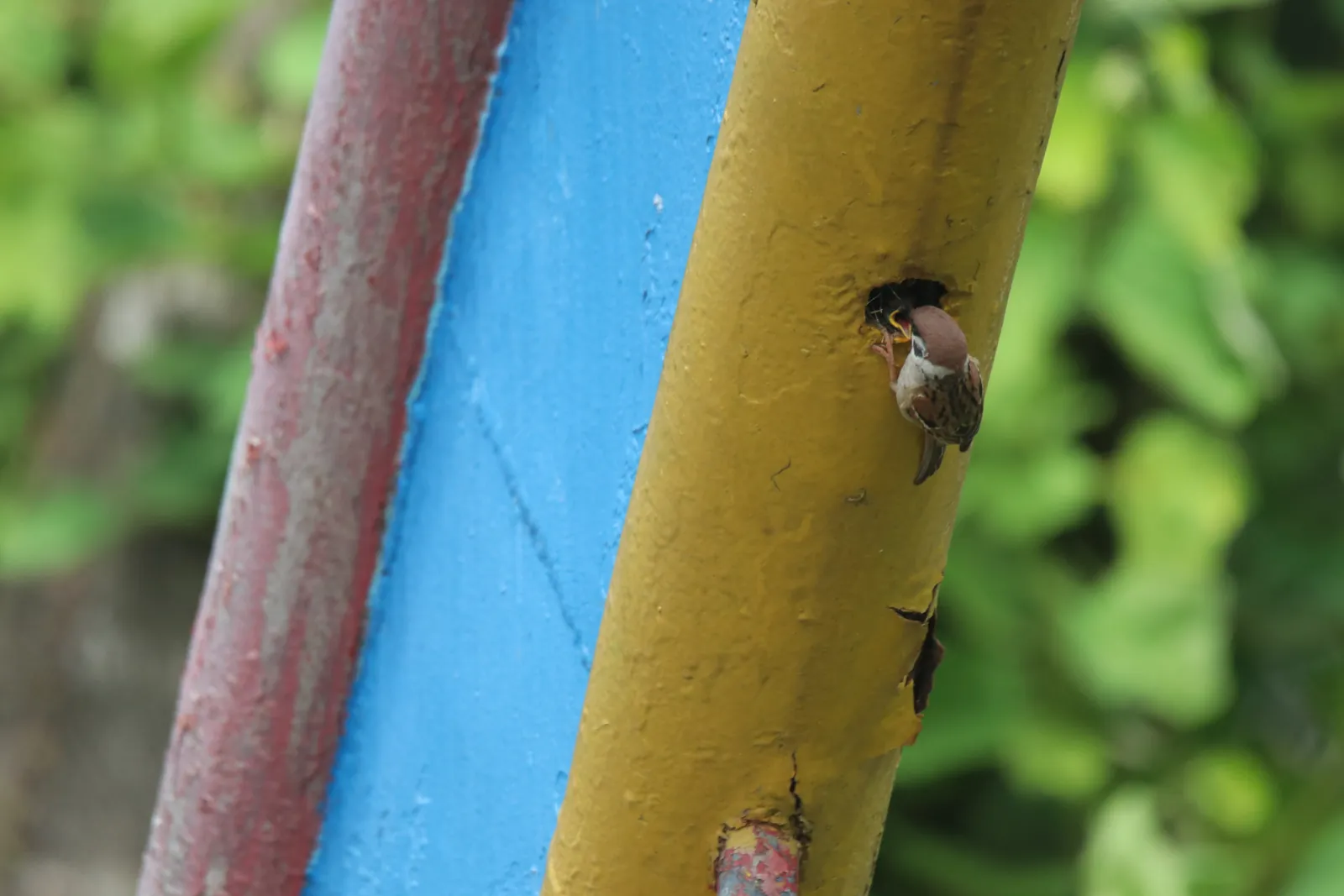
Nests and packed lint pulled from the outside cap so the damper can swing again.
More on Bird Nest Removal →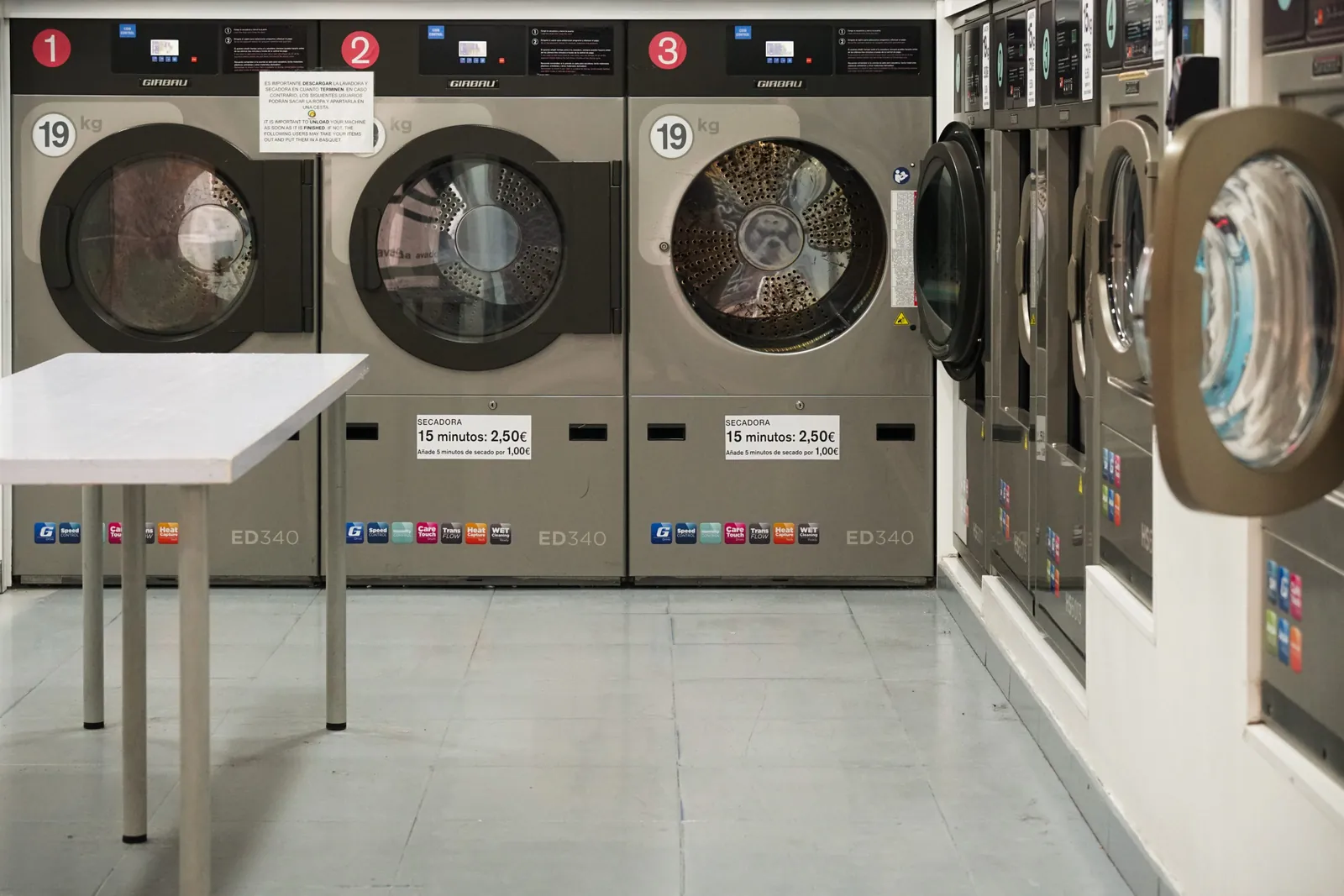
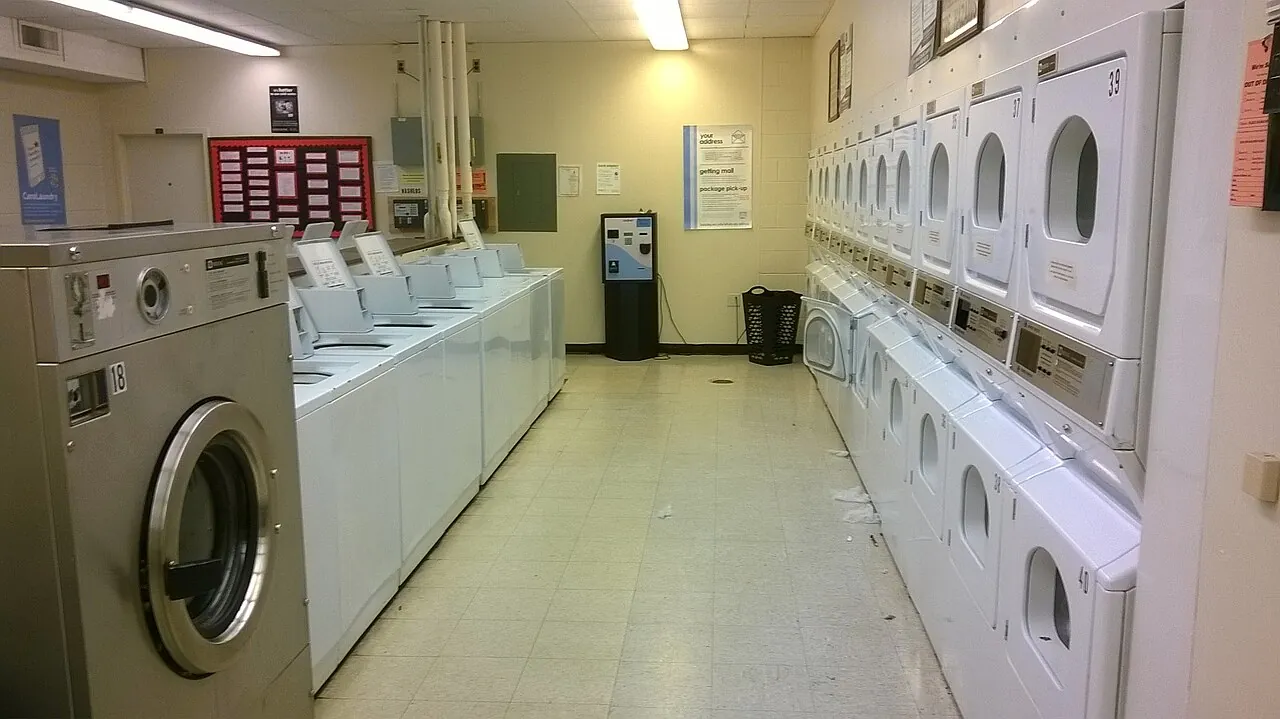
Multi-dryer exhaust for coin laundries, hotels and building laundry rooms.
More on Commercial Dryer Vents →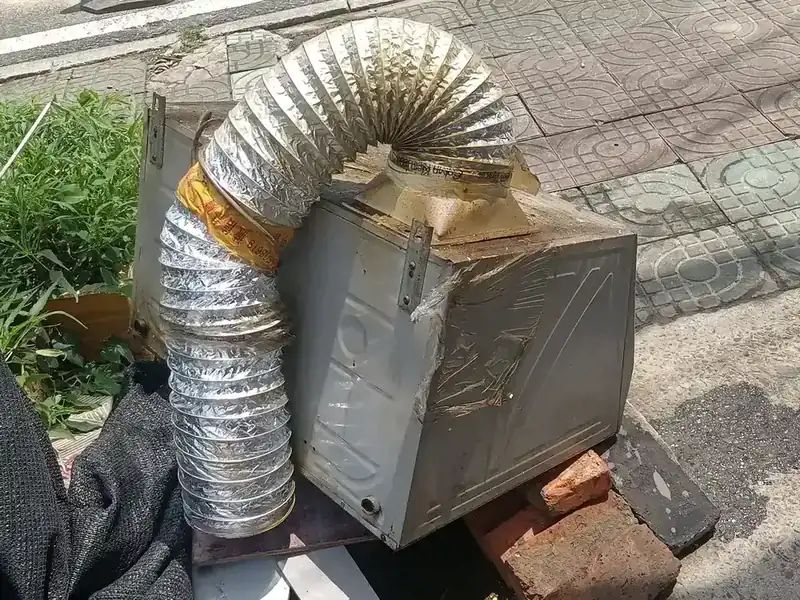
Crushed connectors, foil duct and stray screws: what cleaning fixes and what it cannot.
More on Dryer Vent Repair →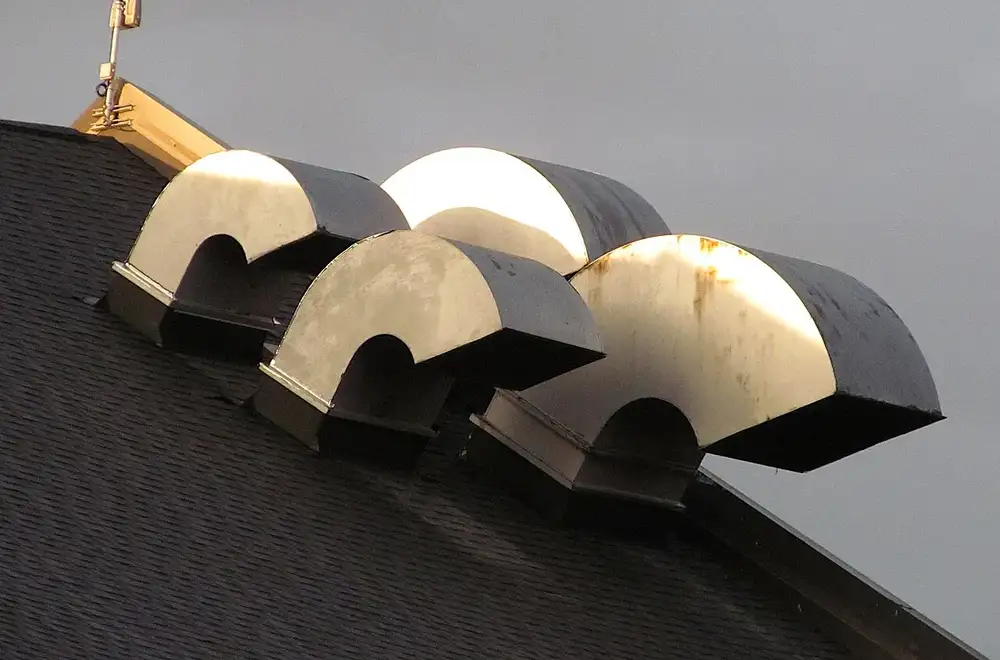
Code length limits and routing rules to know before any duct is moved or replaced.
More on Dryer Vent Installation →