

Condo and High-Rise Vents
Unit branch ducts in shared-riser towers, cleaned with the building's own rules in mind.
More on Condo and High-Rise Vents →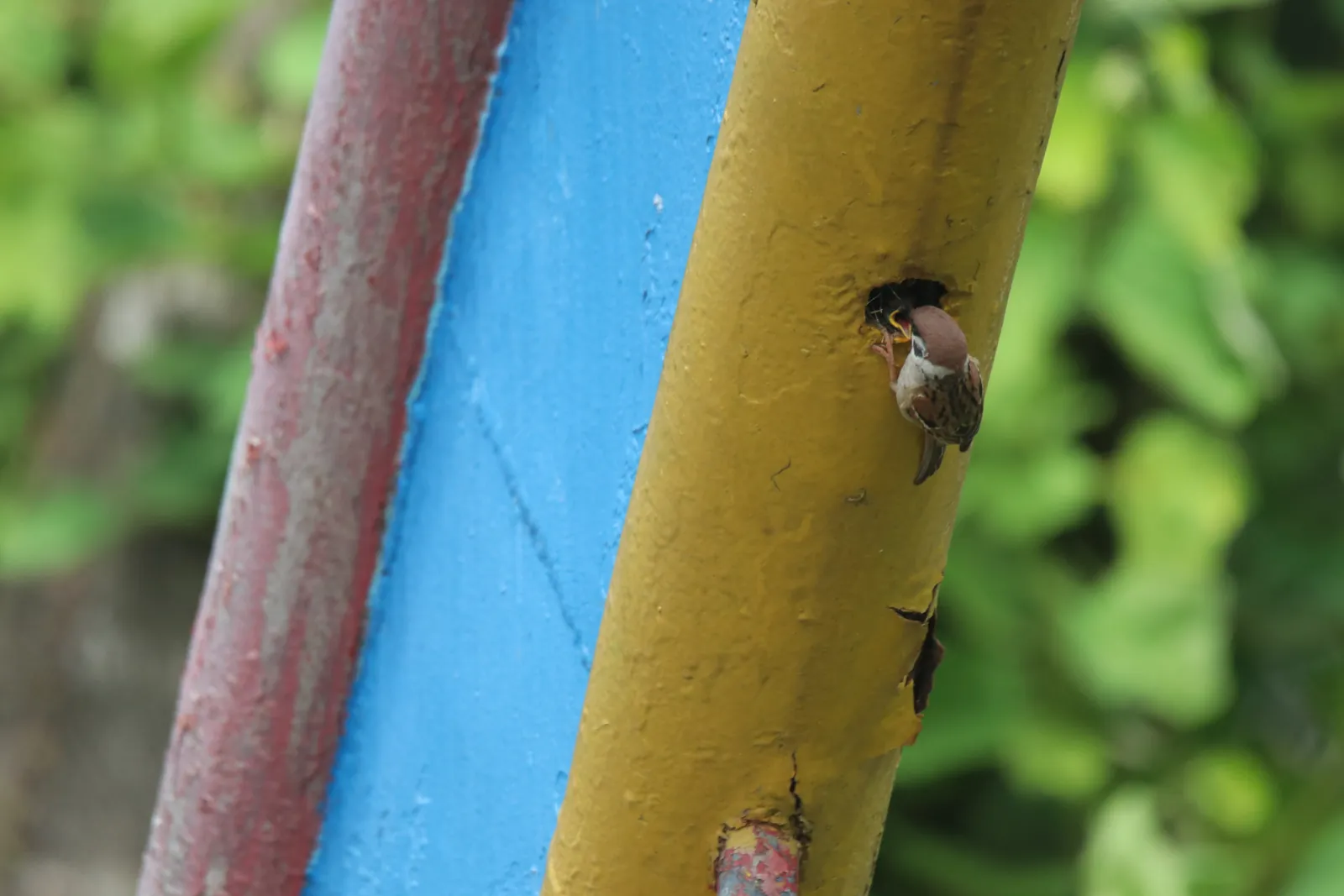
Birds and small animals build in warm dryer caps, and a nest can close the vent completely. We pull the nest and the packed lint, clear the duct behind it and check that the damper swings freely again.
Because it blocks the only way out for hot, wet air. USFA's topical report names nests of small birds and other animals, along with damaged vent systems, as blockage causes that can lead to overheating and fire. A plugged cap also pushes moisture and lint back into the duct, so the run behind the nest usually needs cleaning too.
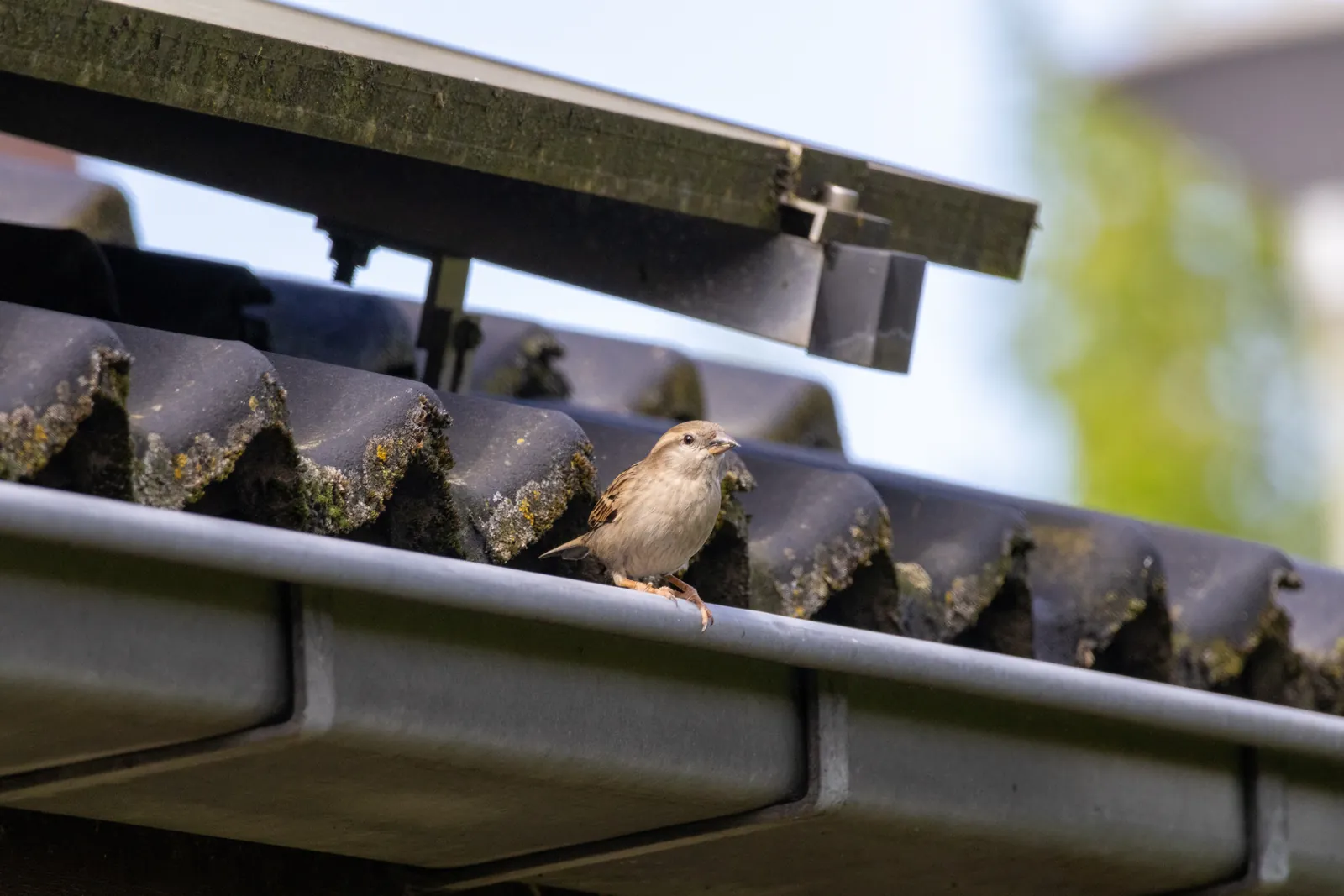
Most people notice the birds before they notice the dryer. These are the signs that point to a nest, or to a cap that is half closed already.
Scratching or chirping near the laundry wall or ceiling, along the line the duct runs.
Birds flying in and out of the hood, sometimes carrying grass or twigs.
Nesting material, feathers or lint collecting on the ground below the cap.
The damper stays shut while the dryer runs, so no air comes out.
Loads take two cycles because the exhaust has nowhere to go.
Heat that cannot leave builds up in the cabinet, a blockage sign Whirlpool's guide names.
We look at the hood from outside first, and from the roof where the vent ends there, to see how far in the nest goes.
Nesting material comes out by hand and tool from the outside end, so none of it is pushed toward the dryer.
Brush and vacuum the duct behind the nest, where lint and debris have usually built up.
Run the dryer and watch the damper open under flow, then confirm exhaust is leaving the cap.
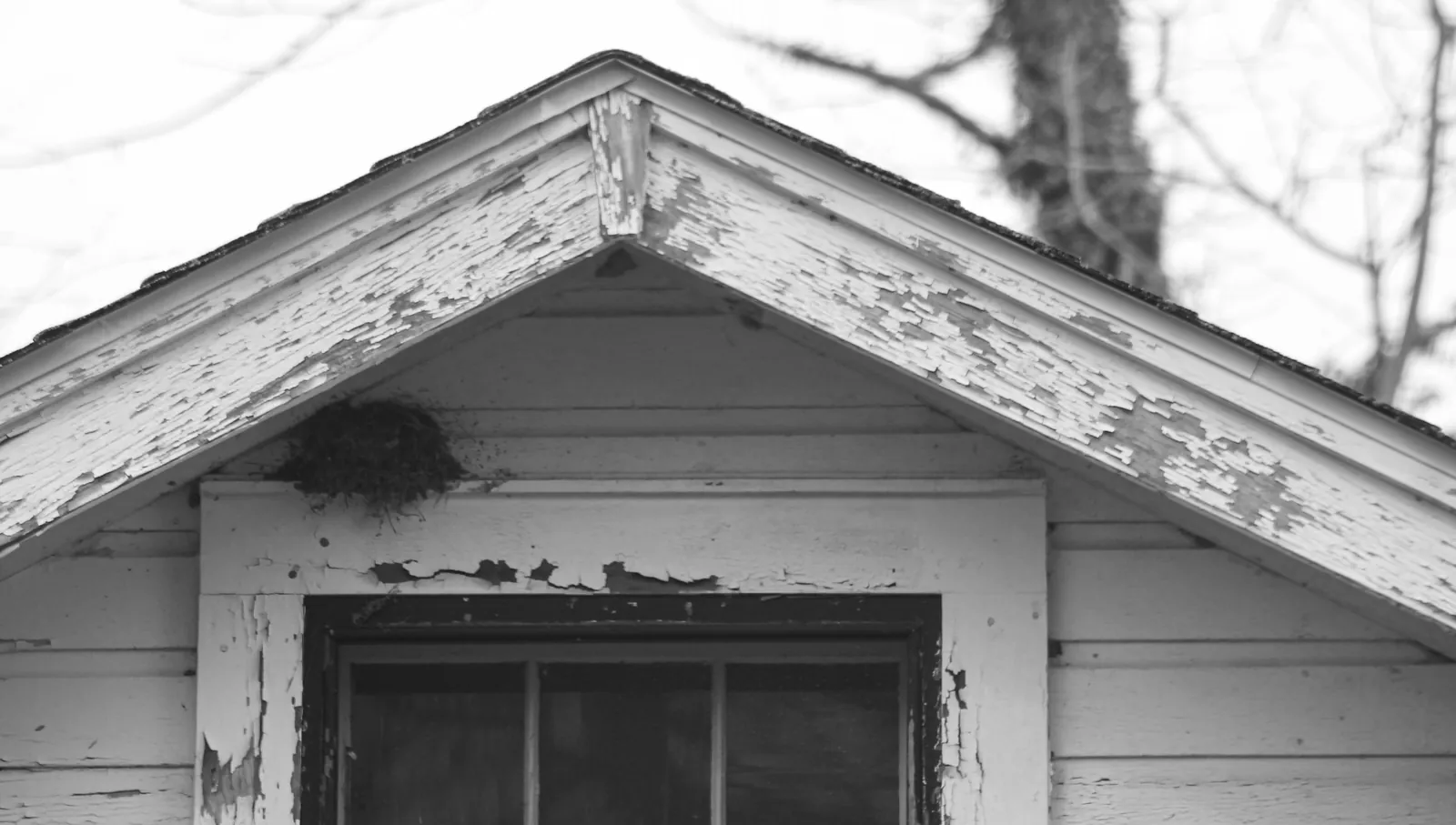
Because the vent is warm, sheltered and open to the outside, and because many caps here are the wrong kind. Code requires a backdraft damper at the termination and bans a screen there, but bathroom-fan style caps with built-in screens still end up on dryer runs, and the screen loads up with lint until the cap closes on its own. Roof exits add their own trouble: two independent inspection sources describe roof caps as both harder to service and more attractive to nesting birds. A wall cap at ground level on a Kailua or Ewa Beach house is the easy case. A roof cap on a two-story home in the Manoa valley is not.
| What matters | Screened bird guard | Code-style damper cap |
|---|---|---|
| Screen at the opening | Yes, and it collects lint | None; code bans a screen at the termination |
| Keeps birds out | Until the screen clogs | The damper closes when the dryer is off |
| Open area | Shrinks as lint builds | At least 12.5 sq in., undiminished |
| Upkeep | Frequent brushing of the screen | Check that the flap swings freely |
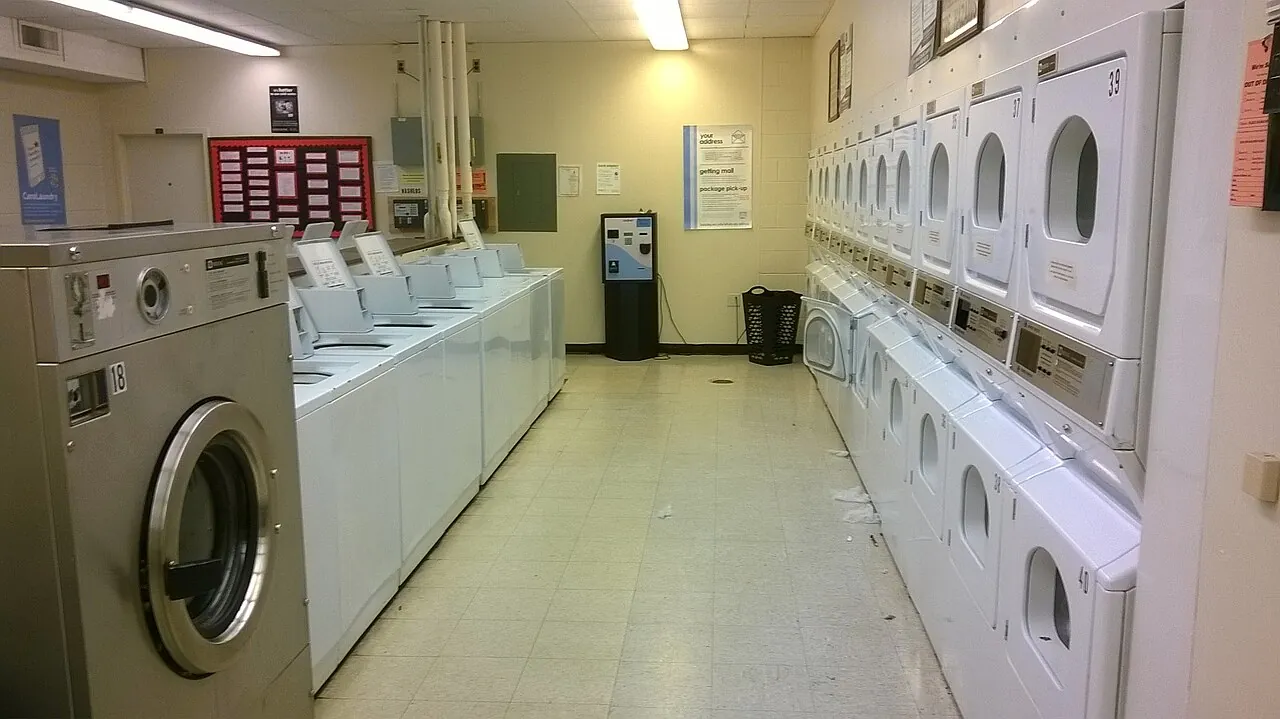
Once the nest is out, the rest of the run is worth a look.
Unit branch ducts in shared-riser towers, cleaned with the building's own rules in mind.
More on Condo and High-Rise Vents →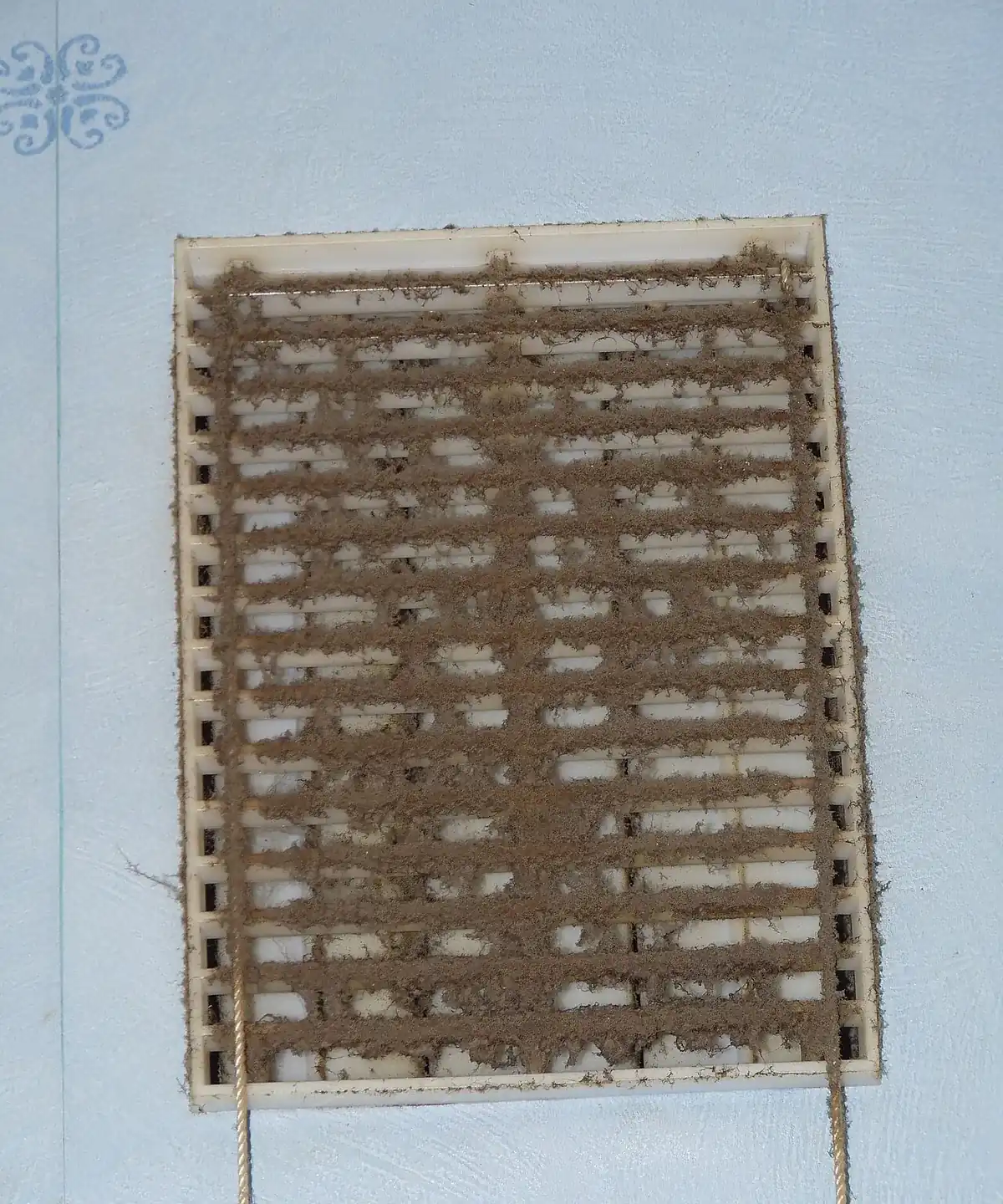
A camera look and an airflow reading that show what the duct is really like inside.
More on Dryer Vent Inspection →Nests and packed lint pulled from the outside cap so the damper can swing again.
More on Bird Nest Removal →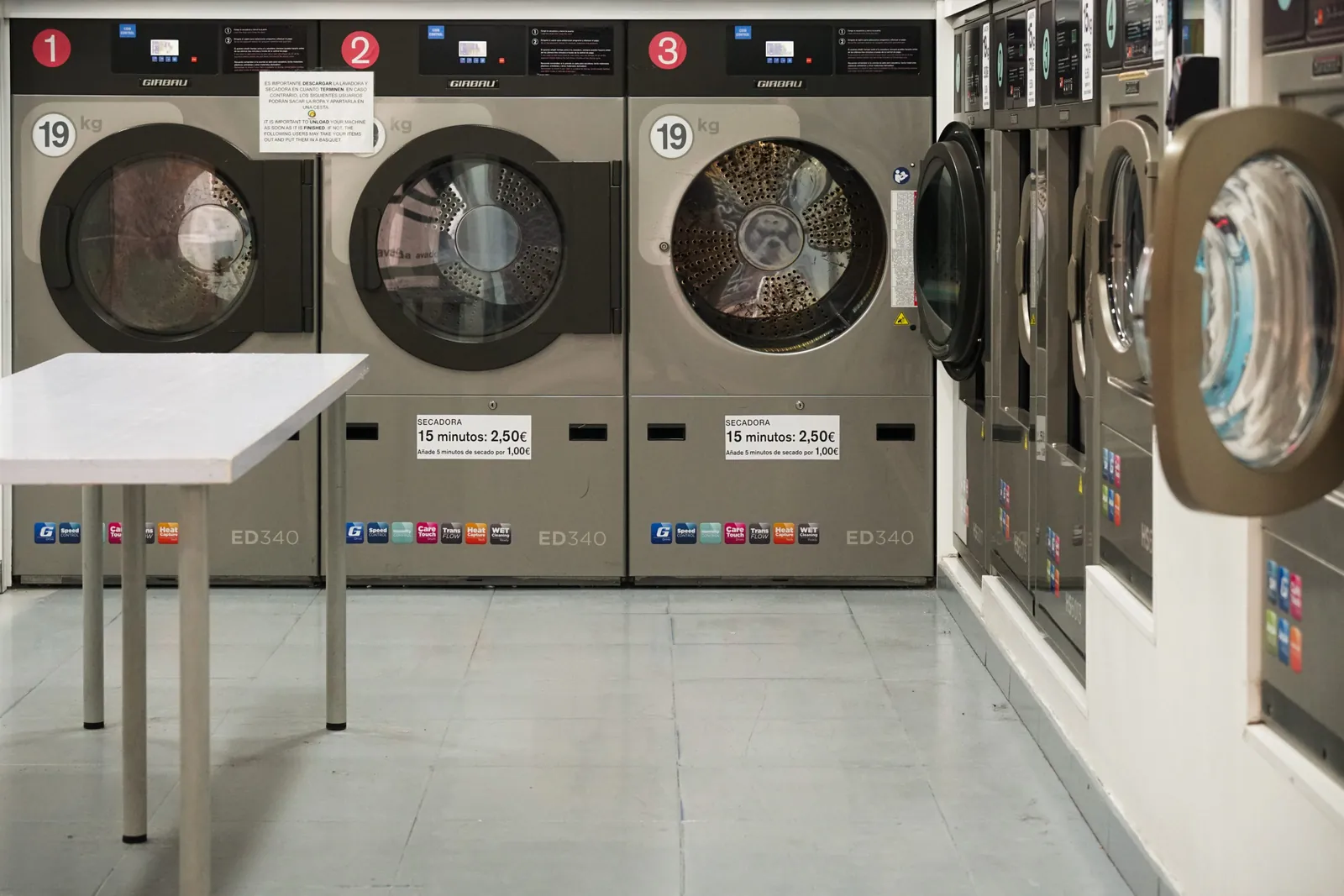
Multi-dryer exhaust for coin laundries, hotels and building laundry rooms.
More on Commercial Dryer Vents →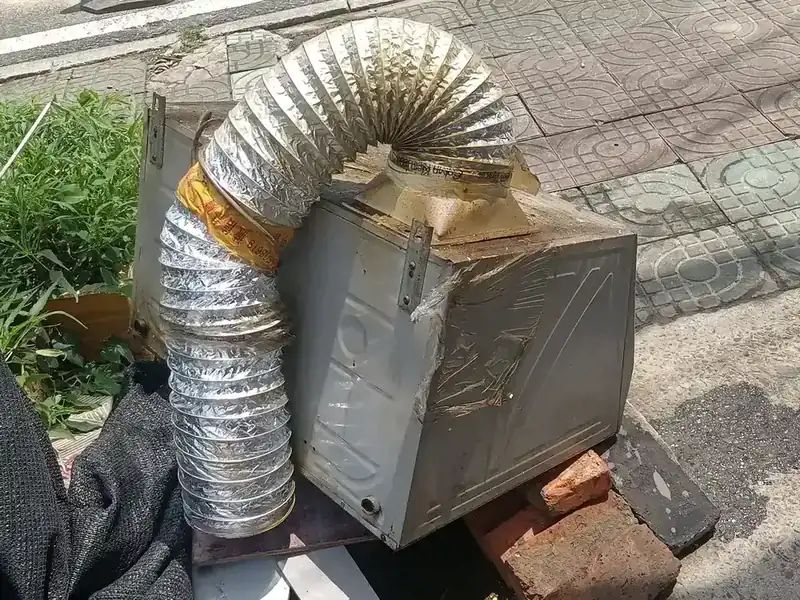
Crushed connectors, foil duct and stray screws: what cleaning fixes and what it cannot.
More on Dryer Vent Repair →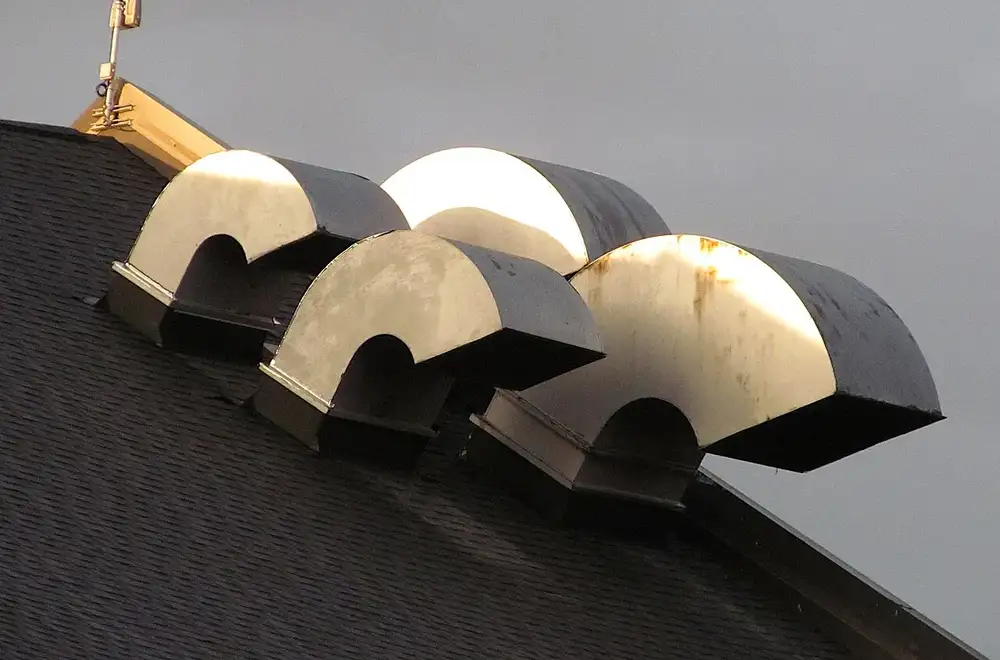
Code length limits and routing rules to know before any duct is moved or replaced.
More on Dryer Vent Installation →