
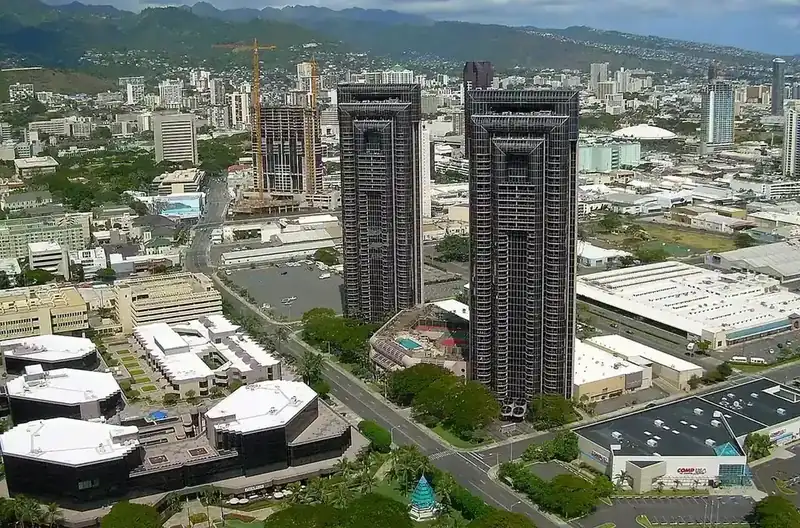
Condo and High-Rise Vents
Unit branch ducts in shared-riser towers, cleaned with the building's own rules in mind.
More on Condo and High-Rise Vents →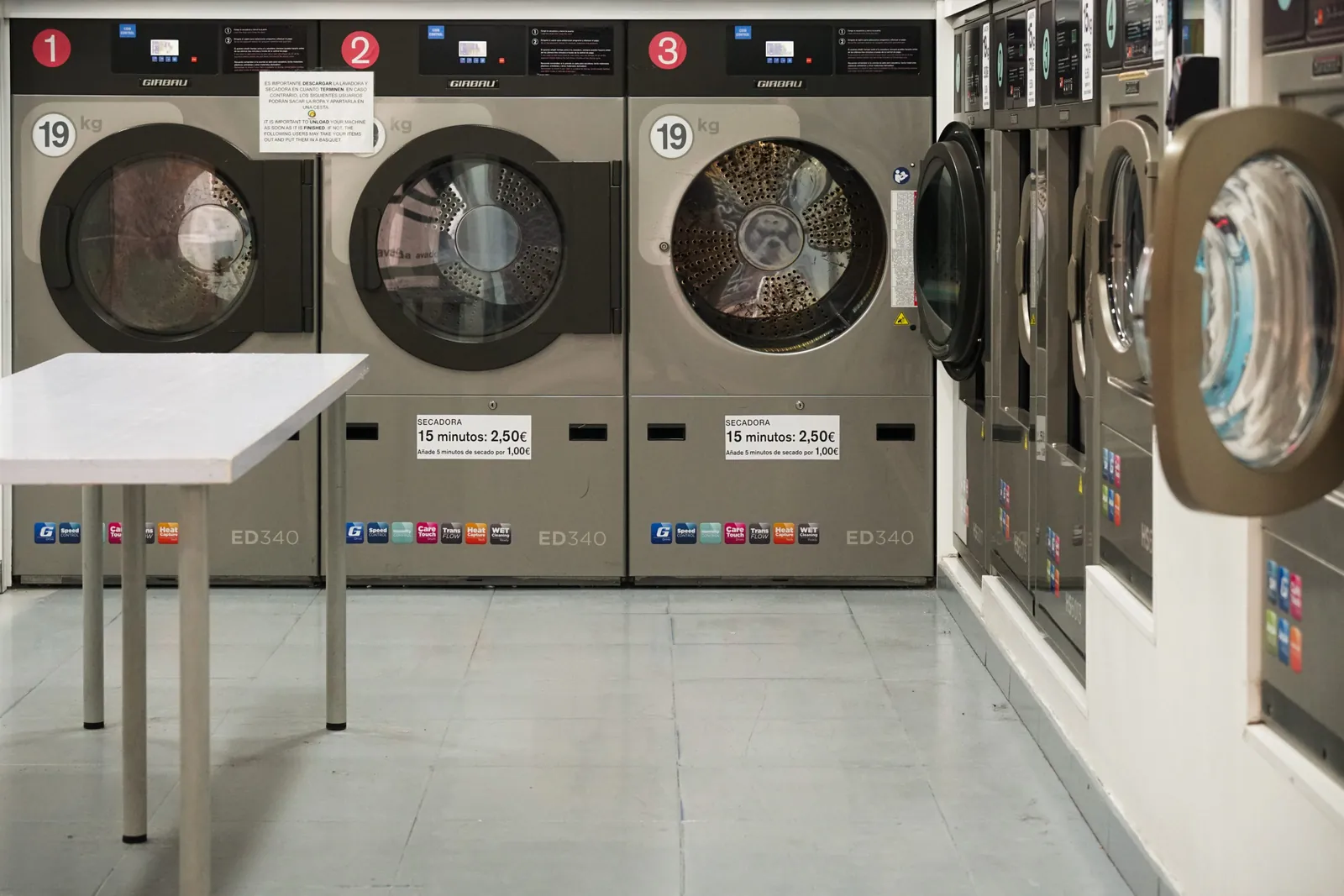
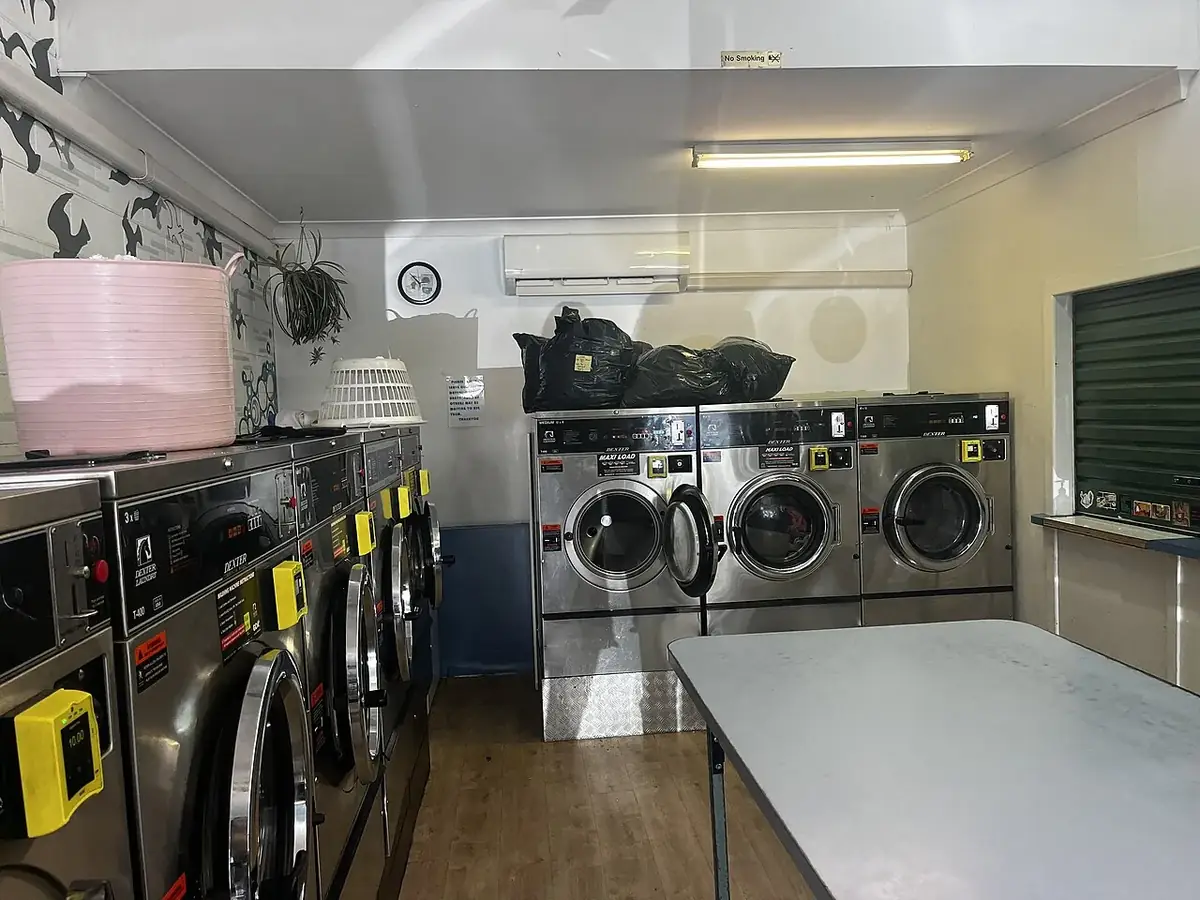
Banks of dryers on one common duct run hot and load lint fast. We clean the branches, the common duct and the termination, and leave notes your engineer or facilities lead can use.
Because the load never stops. Whirlpool's venting guide calls for annual inspection on a single-family dryer and more frequent checks on commercial and multi-dryer systems, and it expects provision for periodic inspection and lint clean-out of the central duct. A shared duct carries lint from every machine on it, so one neglected run affects the whole bank.
The model mechanical code has its own section for commercial dryers (IMC 504.10). The adopted local code and your engineer have the final word.
Trace each dryer's branch to the common duct and the termination, and find the cleanouts before anything is opened.
Agree which dryers go offline and when, so the laundry keeps running on the rest of the bank.
Branches first, then the common duct through its cleanouts, then the termination, with lint vacuumed out at each step.
Bring the dryers back online, check exhaust at the termination, and write down anything the engineer should see.
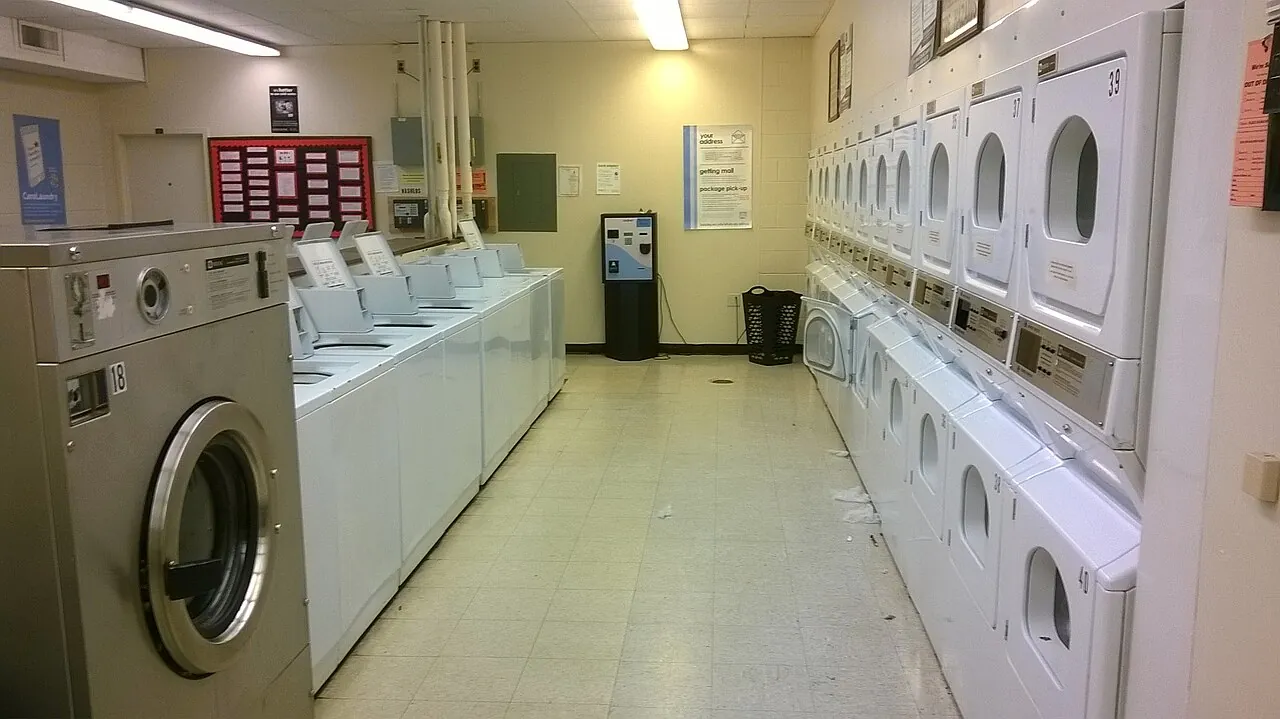
Wherever many dryers share one duct. Whirlpool's guide describes three layouts: horizontal, a bank of dryers on one common duct, typical of coin laundries; vertical, one dryer per floor feeding a central riser; and combination, several levels of dryers feeding a central vertical vent, used in high-rises. It calls for no more than 0.1 inches of water column of vacuum in the central duct and no more than 0.6 of back pressure at each dryer, sized for the most dryers running at once. On Oahu, with warm, humid air all year and no heating season, those dryers run in the same conditions twelve months a year.
| What matters | Home dryer | Commercial or multi-dryer |
|---|---|---|
| Inspection interval | Annual, per Whirlpool, NFPA and CSIA | More often, per Whirlpool |
| Duct layout | One dryer, one duct | Branches into a common duct or riser |
| Design | Code and the maker's chart | Engineer-designed, per Whirlpool's guide |
| Fan | Only a UL 705 power ventilator, if any | Motor out of the airstream; continuous or interlocked |
| Cleanout | Through the duct ends | Every vertical riser needs one |
Commercial clients often need the same work in their residential units or a quick nest call.
Unit branch ducts in shared-riser towers, cleaned with the building's own rules in mind.
More on Condo and High-Rise Vents →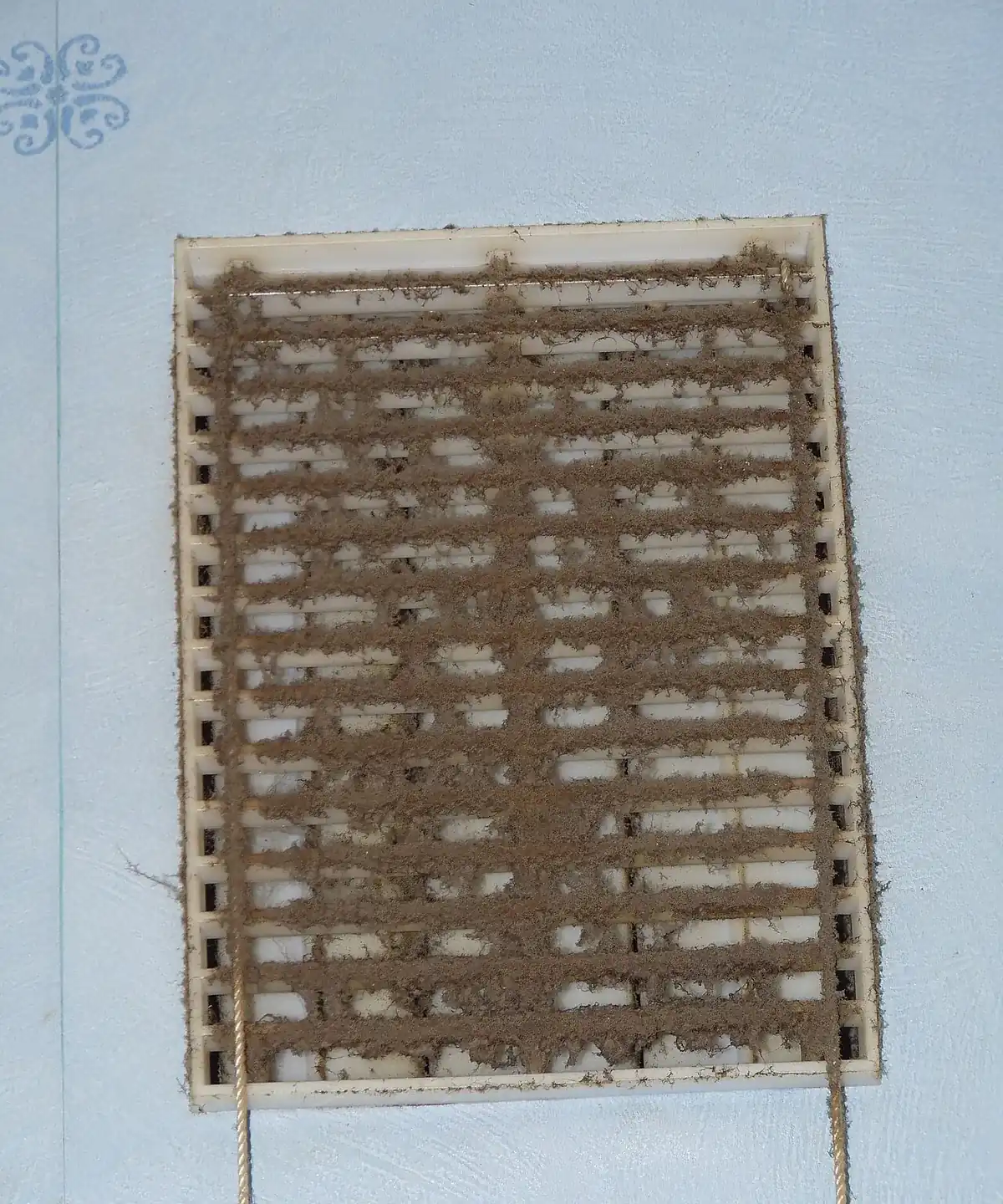
A camera look and an airflow reading that show what the duct is really like inside.
More on Dryer Vent Inspection →
Nests and packed lint pulled from the outside cap so the damper can swing again.
More on Bird Nest Removal →Multi-dryer exhaust for coin laundries, hotels and building laundry rooms.
More on Commercial Dryer Vents →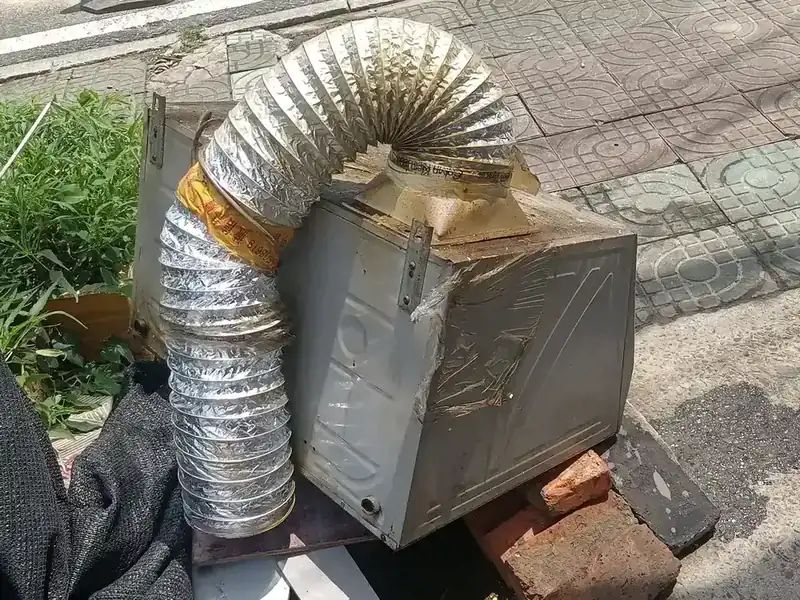
Crushed connectors, foil duct and stray screws: what cleaning fixes and what it cannot.
More on Dryer Vent Repair →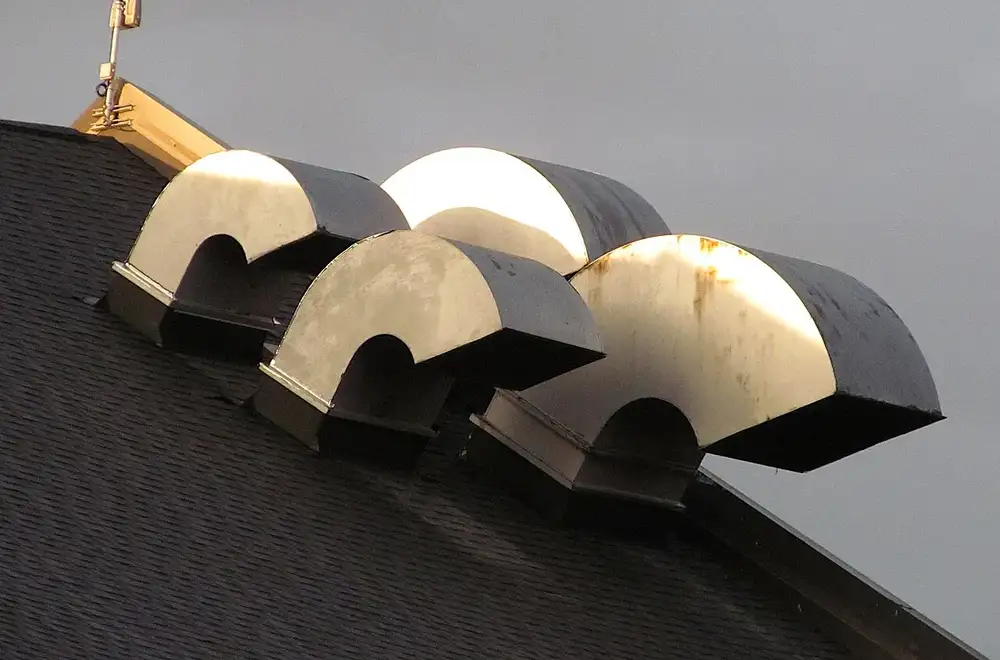
Code length limits and routing rules to know before any duct is moved or replaced.
More on Dryer Vent Installation →