
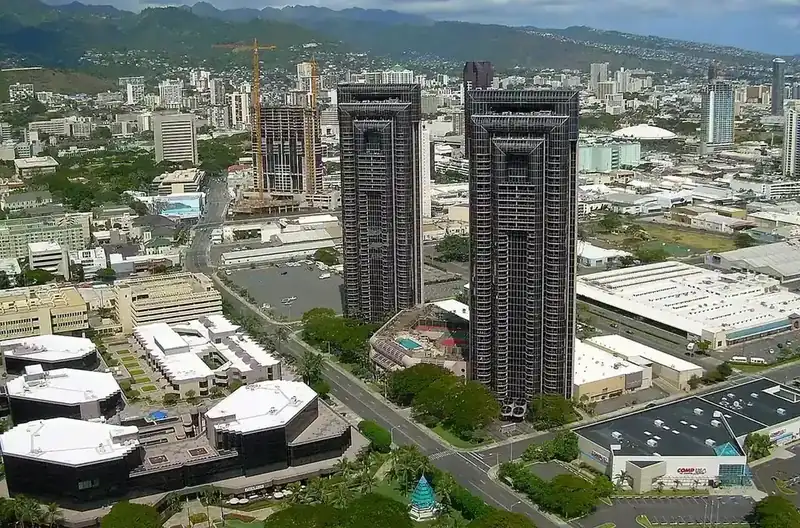
Condo and High-Rise Vents
Unit branch ducts in shared-riser towers, cleaned with the building's own rules in mind.
More on Condo and High-Rise Vents →Stacked laundry, long runs to a lanai wall or the roof, and a shared riser the association looks after. We clean the branch that serves your unit and tell you plainly what belongs to the building.
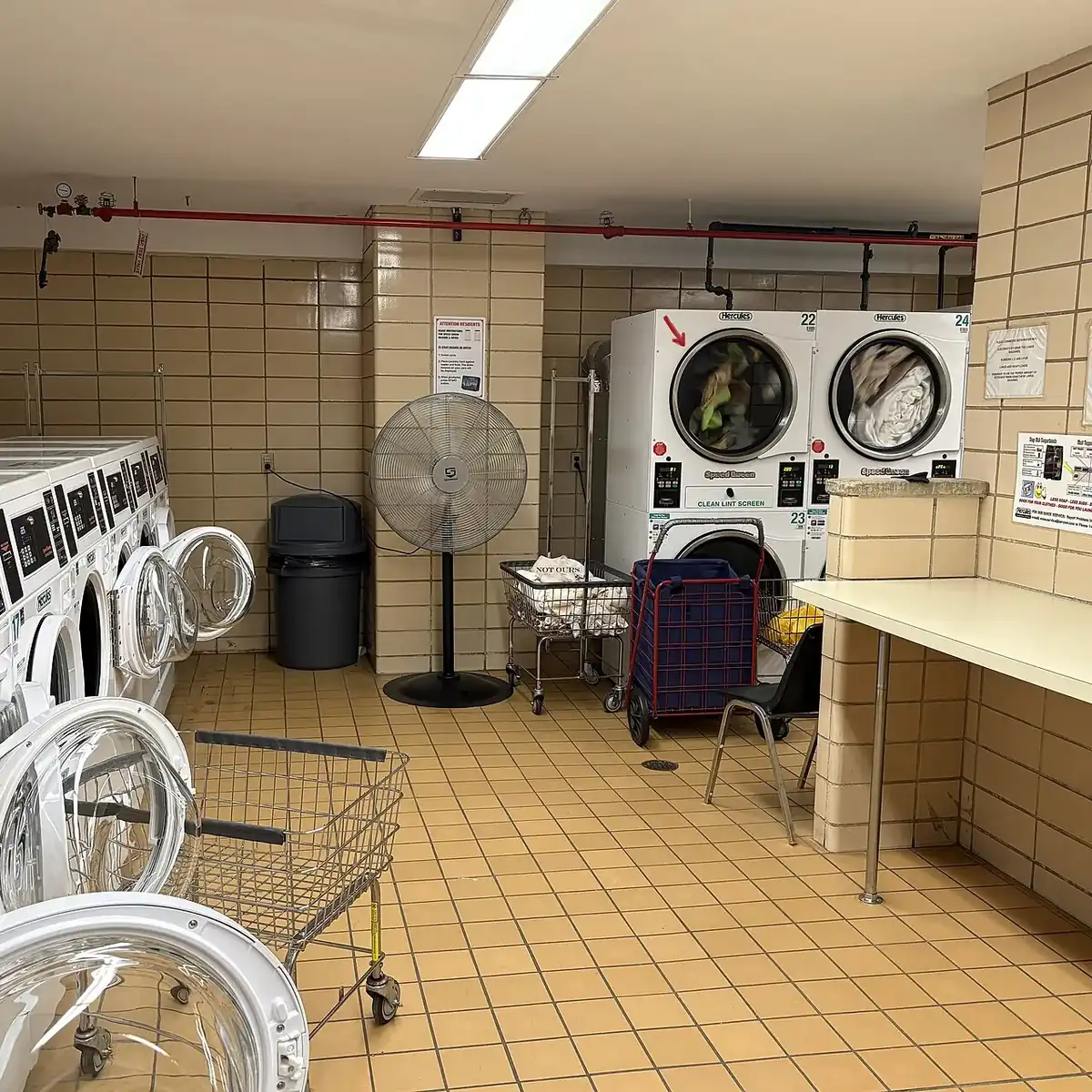
Three things. The duct is usually longer, because it has to reach an outside wall or a shaft. Part of it may be shared with other units. And the building has rules about who works where and when. Whirlpool's venting guide says multi-dryer systems need an engineer's design and periodic clean-out of the central duct, which is why a single owner cannot simply order the whole run cleaned.
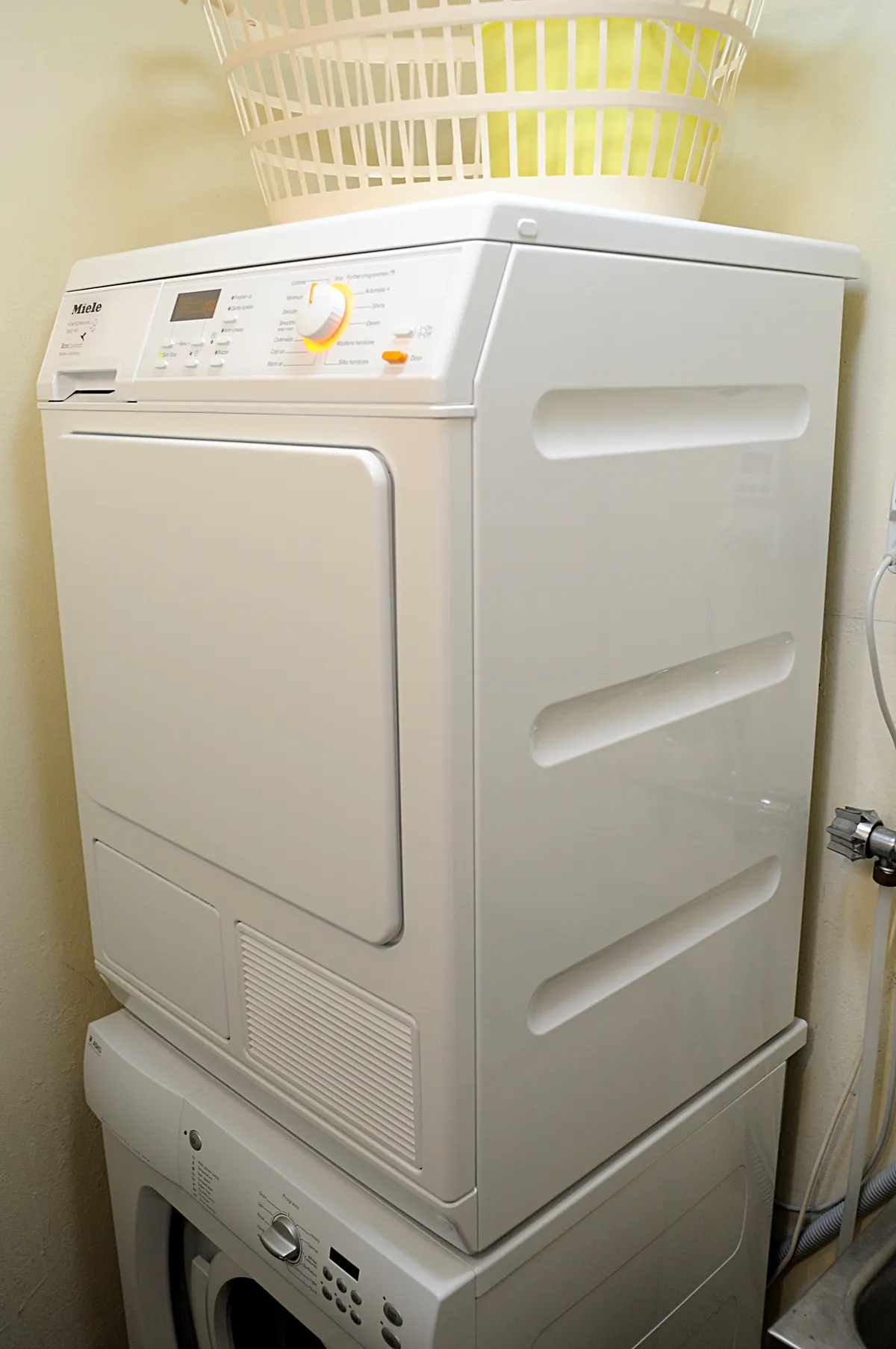
HRS Chapter 514B sets defaults, and every building's declaration can override them.
Check with the property manager for notice, elevator use and work hours. Some buildings want the job on a set day.
We confirm where your duct ends: a lanai or balcony cap, an outside wall, or a connection into a shared riser.
Brush and vacuum from the dryer to the cap or riser connection, including any booster fan housing and impeller on the run.
You get notes on the branch and anything we saw at the riser connection, written so you can pass them to the board.
Because so much of the island lives stacked. In the urban Honolulu census area, 48 percent of housing units sit in buildings of 20 or more units, and pockets such as Waimalu (51 percent) and Makaha (37 percent) run high too. Statewide, 1,644 condo associations registered in fiscal 2023, covering 167,412 units. In those buildings a dryer may vent through a long horizontal run, a booster fan, or a common multistory shaft. The model mechanical code's rule for shared shafts (IMC 504.11) calls for a fire-rated shaft, steel duct, no dampers and a fan that runs all the time. Which edition Honolulu enforces is your building engineer's call.
| What matters | Your unit's branch | The shared riser |
|---|---|---|
| Default owner under HRS 514B-35 | Your unit, as a limited common element | The association, as a common element |
| Who maintains it by default | The unit owner | The association |
| Model-code rules | Metal duct; a listed transition duct up to 8 ft | Rated shaft, No. 26 gage steel, no offsets, no dampers |
| Fan | Only if a listed booster fan was installed | Runs continuously on standby power, with a failure alarm |
| Cleanout | Through the duct ends | At least 12 x 12 in. at the base of the shaft |
| Who to ask | You decide, within house rules | The board or property manager |
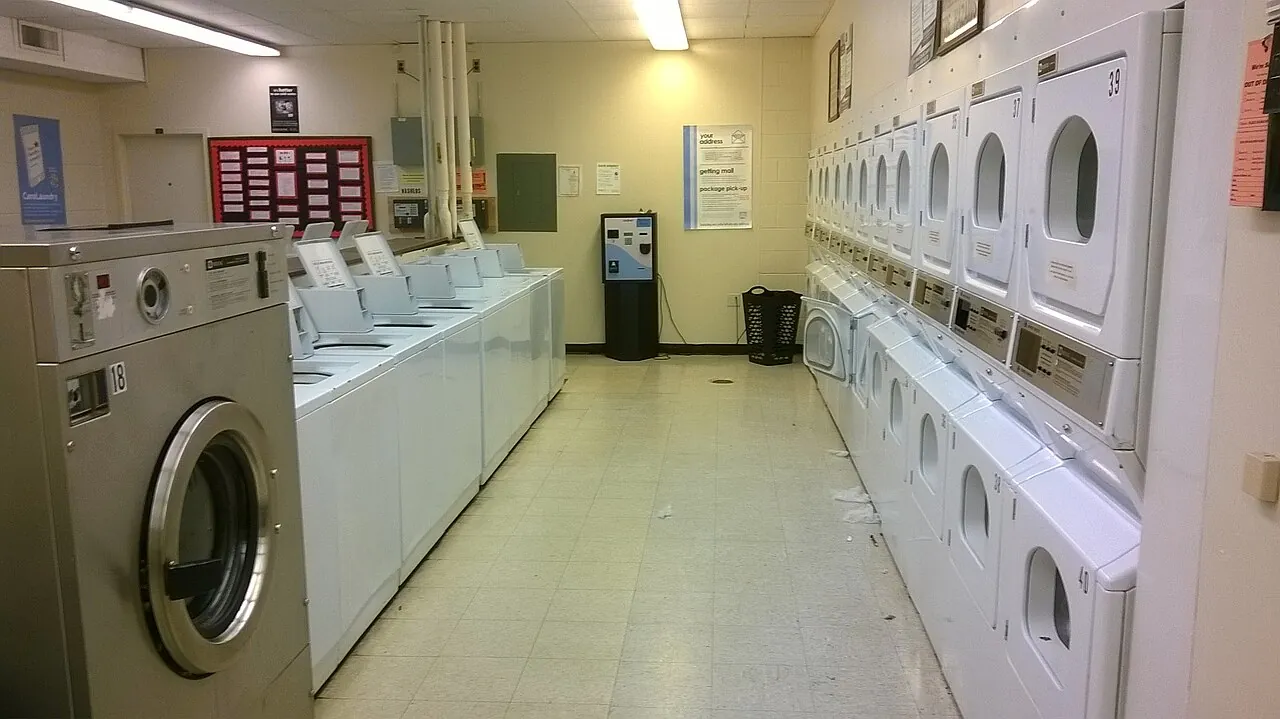
The same visit can cover the cap, an inspection, or a bird nest at the lanai hood.
Unit branch ducts in shared-riser towers, cleaned with the building's own rules in mind.
More on Condo and High-Rise Vents →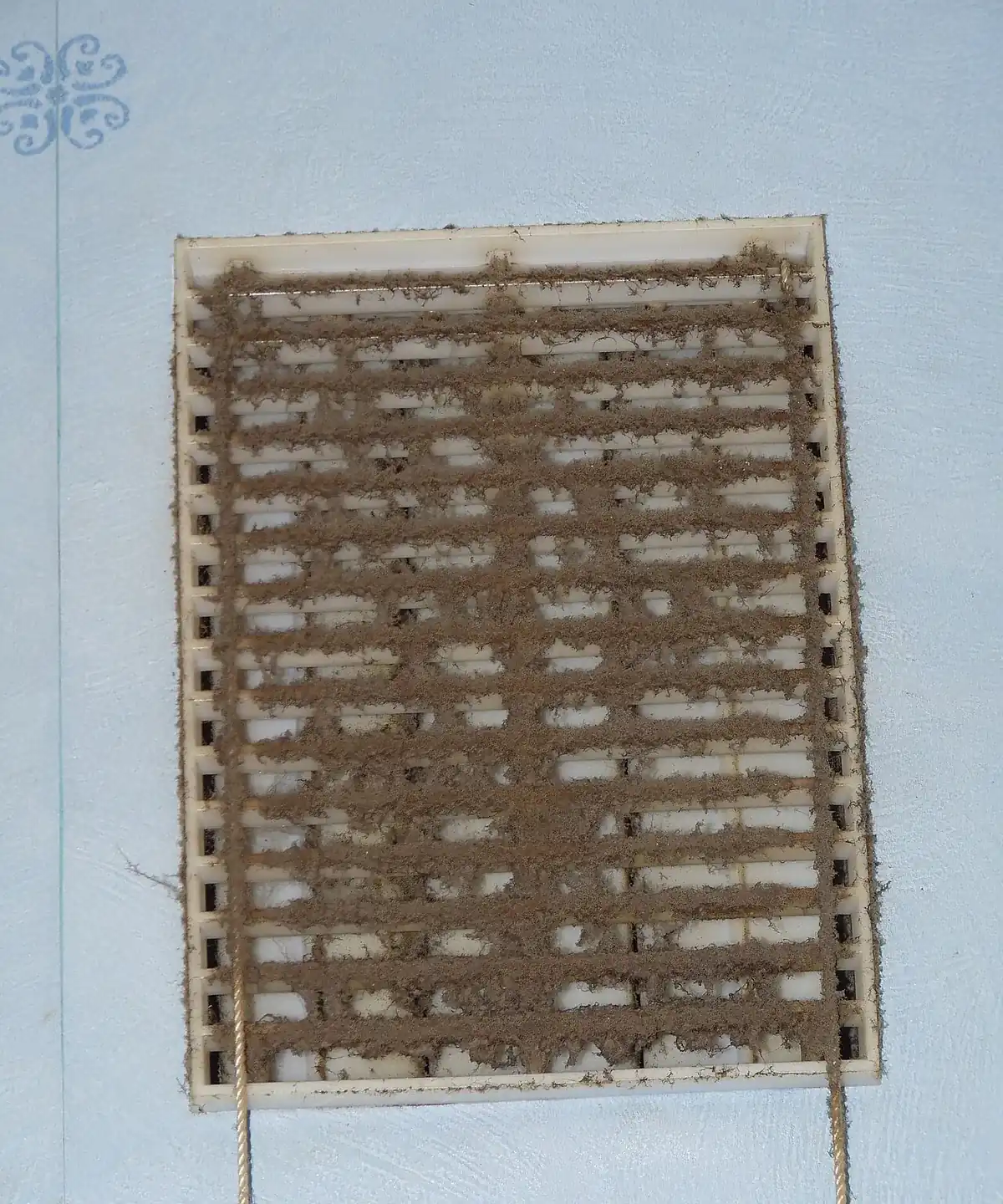
A camera look and an airflow reading that show what the duct is really like inside.
More on Dryer Vent Inspection →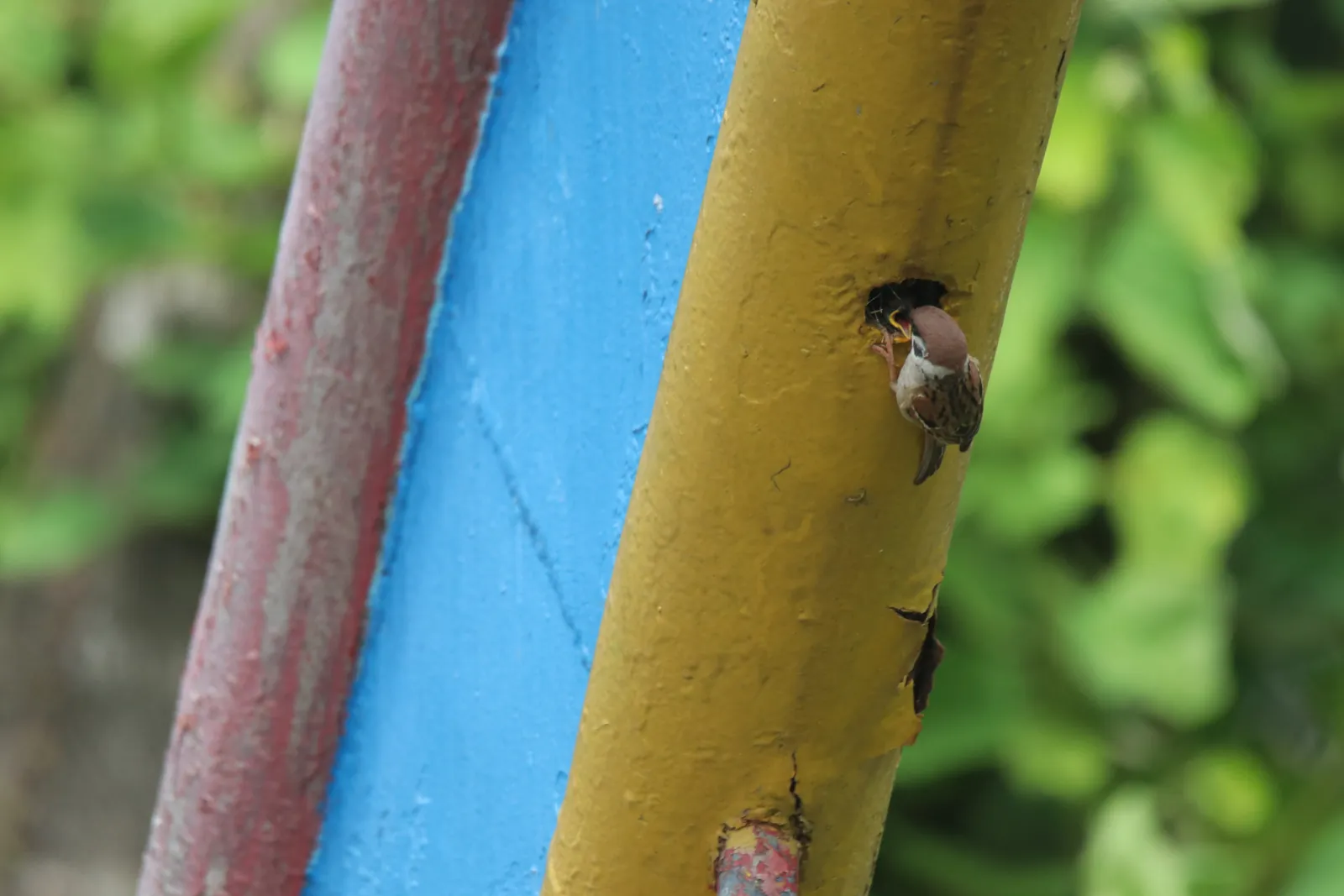
Nests and packed lint pulled from the outside cap so the damper can swing again.
More on Bird Nest Removal →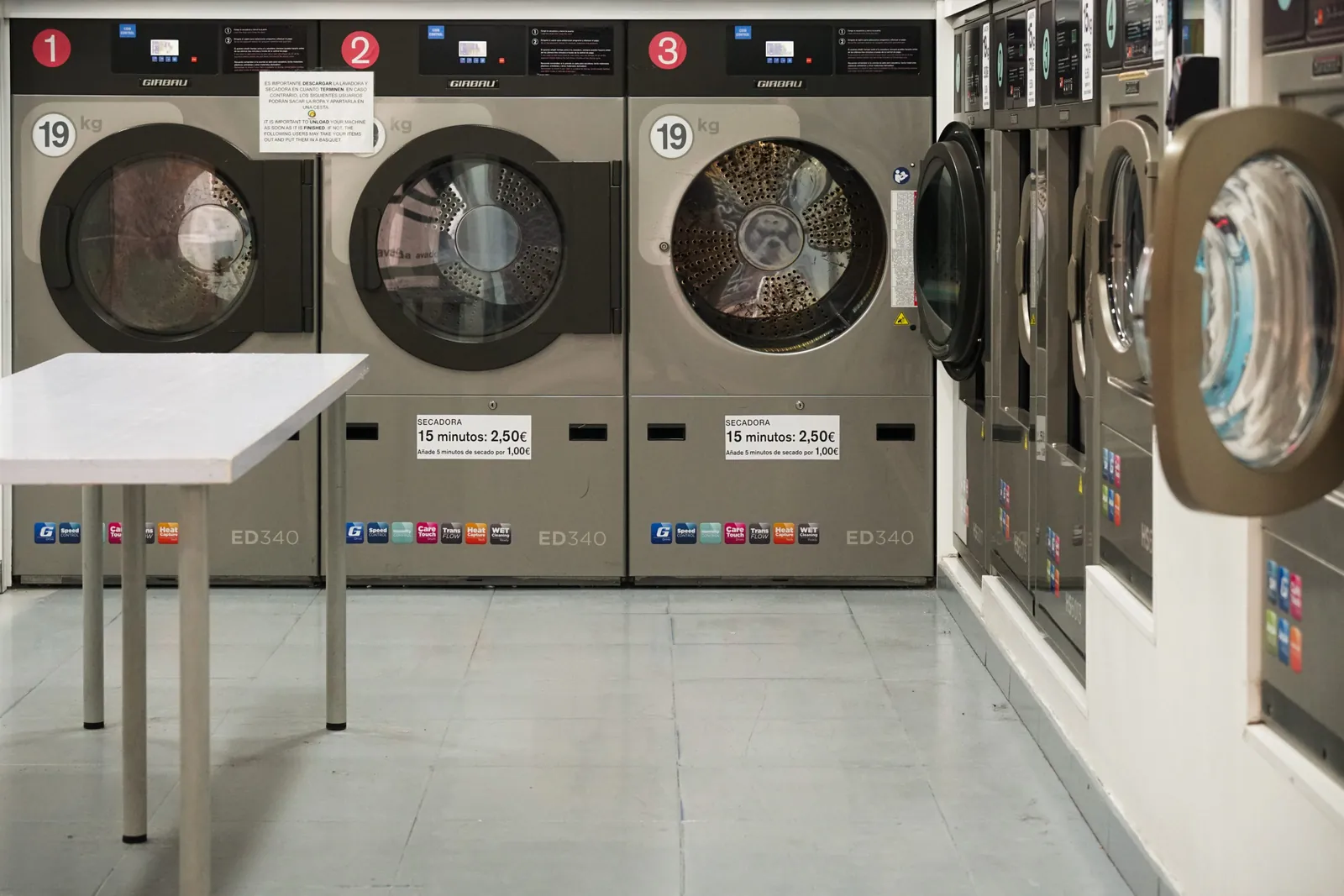
Multi-dryer exhaust for coin laundries, hotels and building laundry rooms.
More on Commercial Dryer Vents →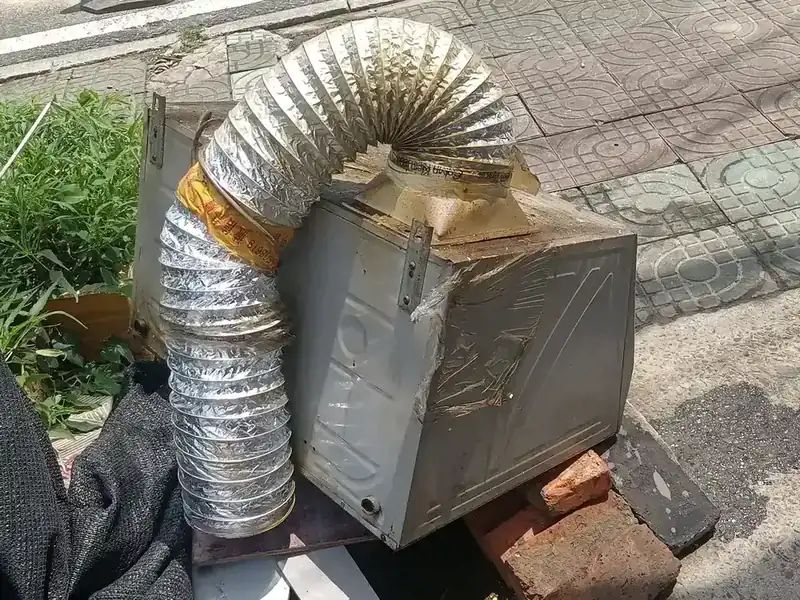
Crushed connectors, foil duct and stray screws: what cleaning fixes and what it cannot.
More on Dryer Vent Repair →
Code length limits and routing rules to know before any duct is moved or replaced.
More on Dryer Vent Installation →